There is the Loire of tourist brochures: châteaux, cycling routes, river light, the flawless French pastoral. And then there is the Loire you enter through a door in the rock. Around Tours, soft limestone has for centuries been carved into houses, cellars and long underground tunnels, where wine matures in coolness and silence. It is here, in this less ceremonial and far more interesting Loire, that Marie Thibault and Frantz Saumon work — two winemakers, two spouses, two independent voices. Their wines do not try to be “correct”. They do not polish local varieties until they shine with international gloss, nor do they turn natural wine into a circus act. They simply allow Chenin, Grolleau, Gamay and stone to speak in their own language — alive, precise, free, but never unruly.
A polyphonic region
The Loire is polyphonic. It is one of France’s longest wine regions: its vineyards stretch for almost a thousand kilometres, from Central France to the Atlantic, and bring together more than fifty appellations. It never speaks in a single register. There is the strict minerality edge of Sancerre, the chalky depth of Vouvray, the dark spice of Chinon, the salty restraint of Muscadet, the baroque generosity of its sweet wines. But around Tours, in this quieter Loire — less grand, less postcard-like, less dominated by famous names — you feel especially clearly that the region does not live only through its great appellations. Sometimes its true nerve is found in small domaines, old vines, varieties that make no claim to international fame, and winemakers who have no desire to make “proper” wine for the comfort of others.
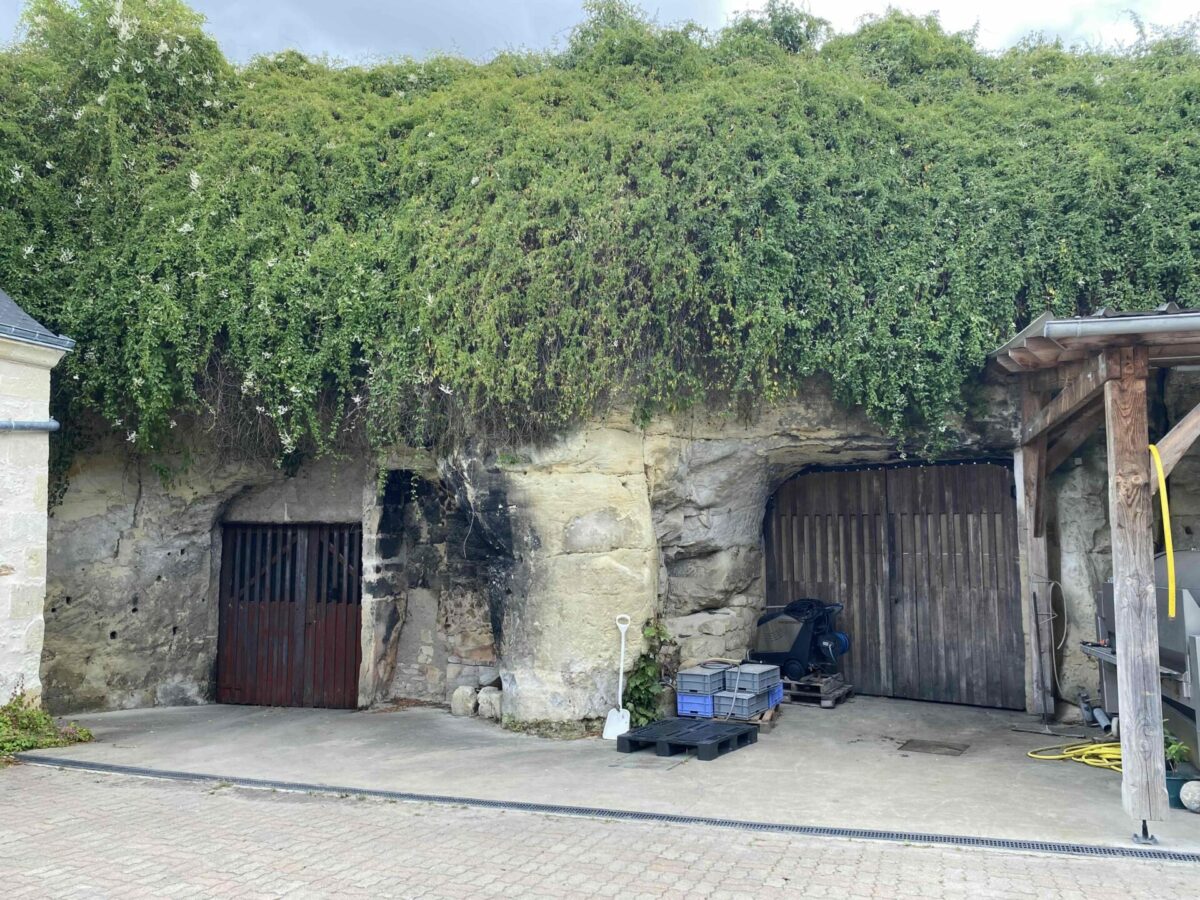
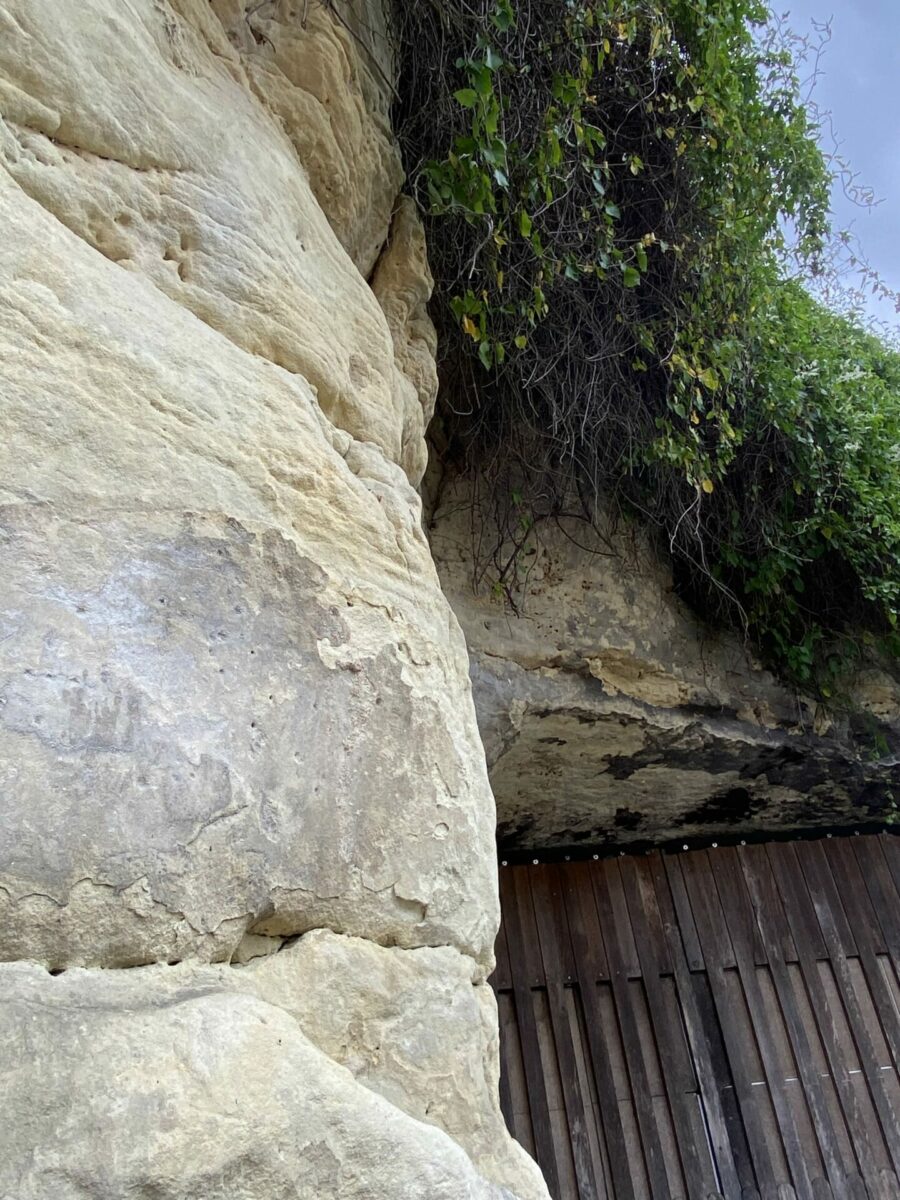
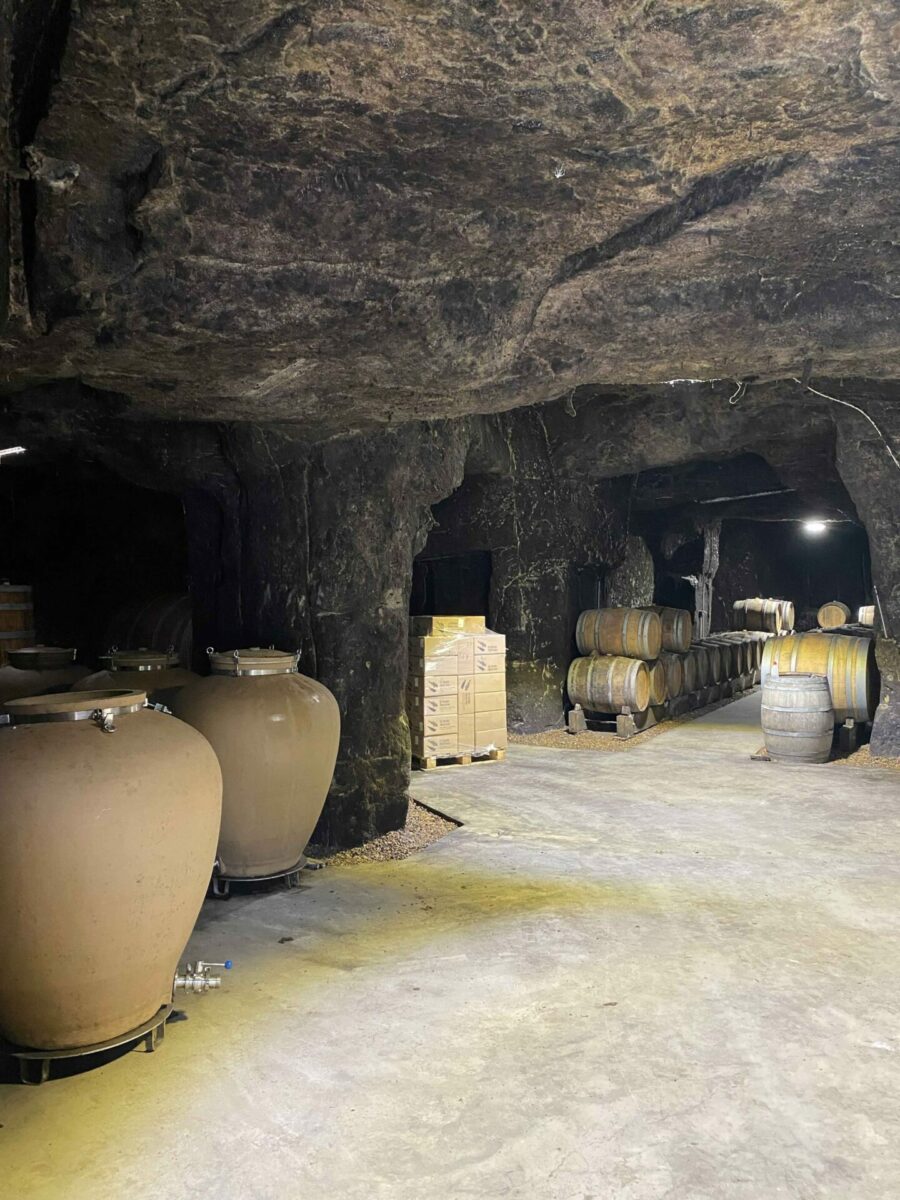
One of the most striking features of this part of the Loire is the way cellars are set directly inside the soft limestone rock. For winemakers around Tours, this is almost an ordinary part of the local landscape: long underground tunnels carved into tuffeau run deep into the hillside, creating a naturally cool, humid and stable environment for fermentation, storage and ageing. For a visitor, it feels almost magical: the cellar has not been built so much as discovered inside the earth itself. For Marie Thibault and Frantz Saumon, this cave is not a decorative detail but a working space, where tanks stand and where wine spends part of its life inside the stone.
Marie Thiabult: clarity without obedience
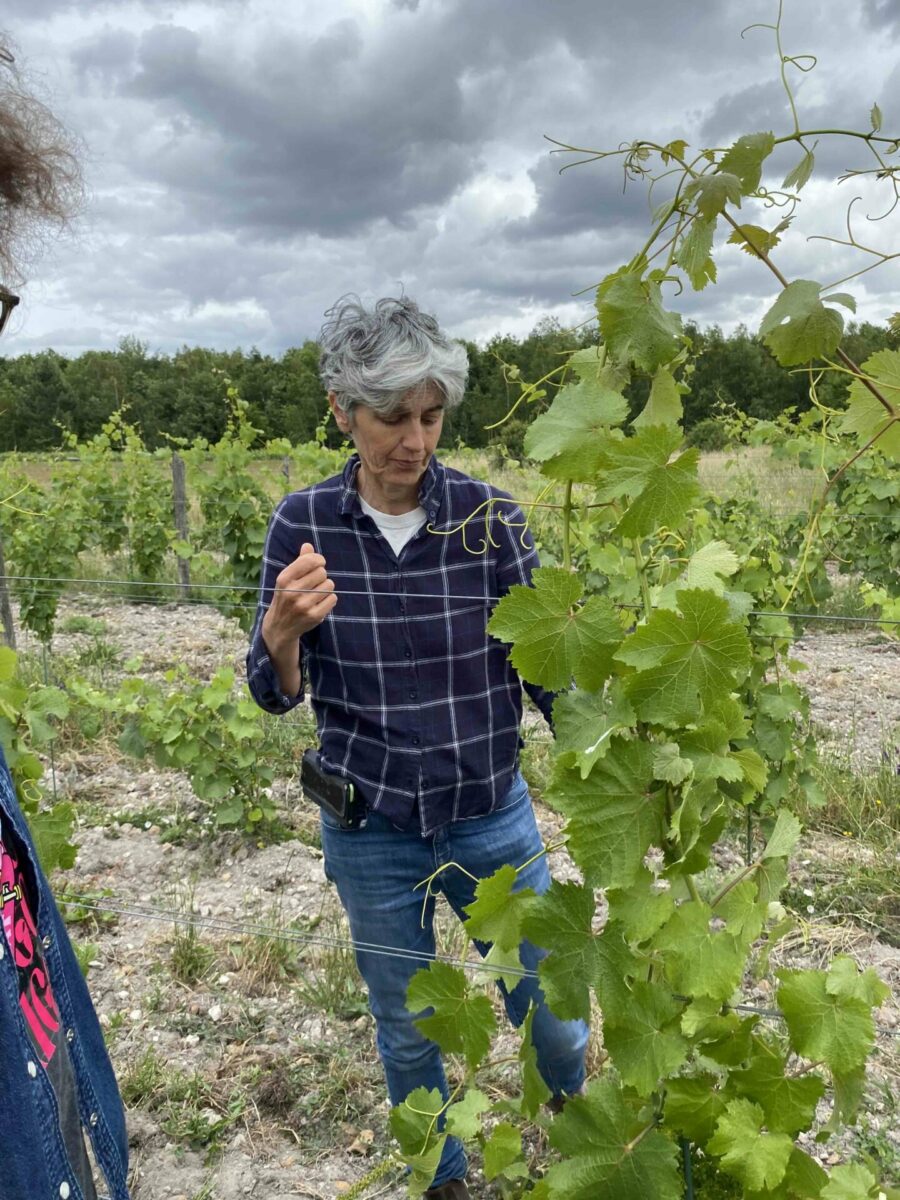
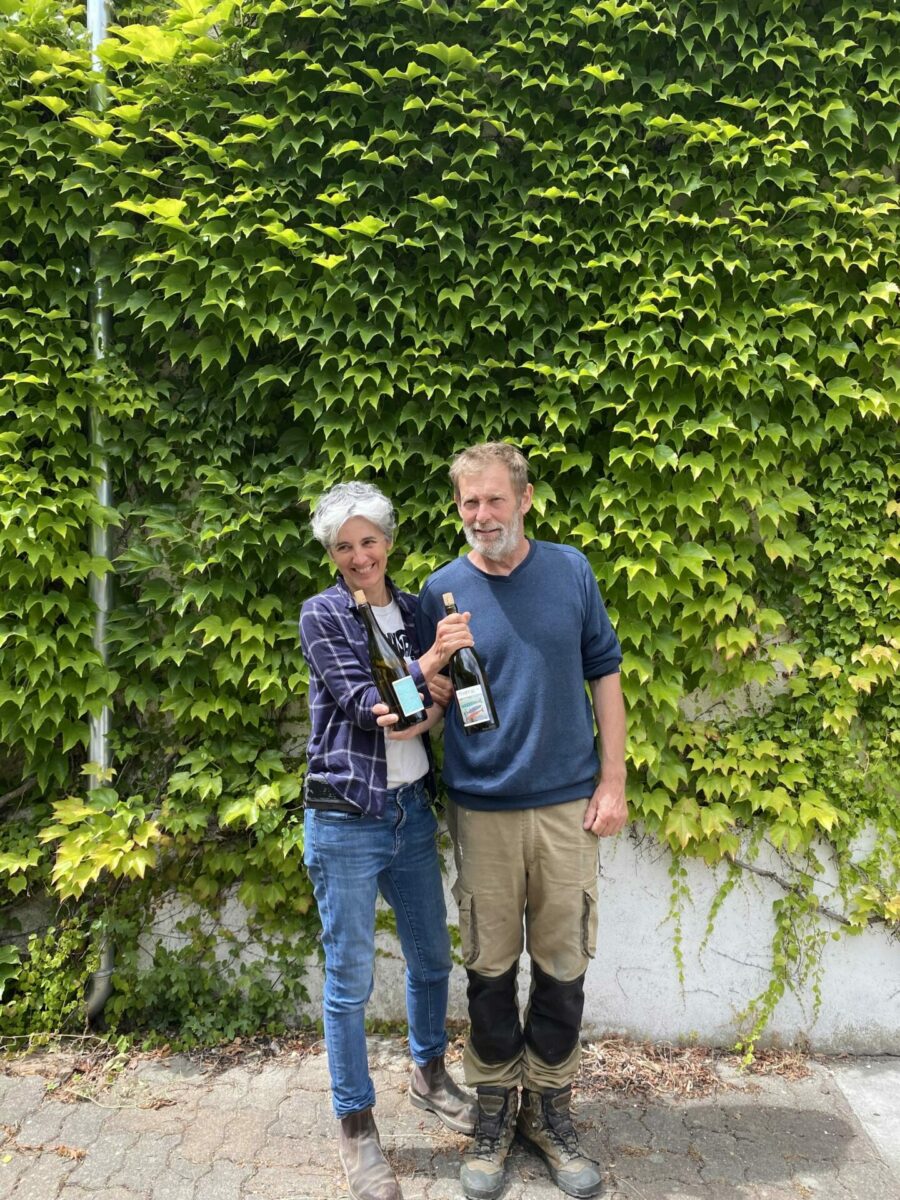
Marie Thibault and Frantz Saumon work precisely with this Loire — not loud, not polished, but remarkably precise and authentic. In this family pair, both are winemakers, and each works on their own wines. Her world is Azay-le-Rideau, Vallères, old vines, highly drainful flinty soils, Chenin, Grolleau, Gamay. Grolleau is especially important here: a variety that has for too long been seen as secondary, light, almost merely functional. In less attentive hands, it could easily have remained somewhere between rustic simplicity and a vinous footnote.
But with Marie, it gains not weight or artificial seriousness, but dignity. She does not force it to pretend to be grand. She simply allows it to be juicy and bright — yet not extractive, not heavy, but wonderfully balanced.
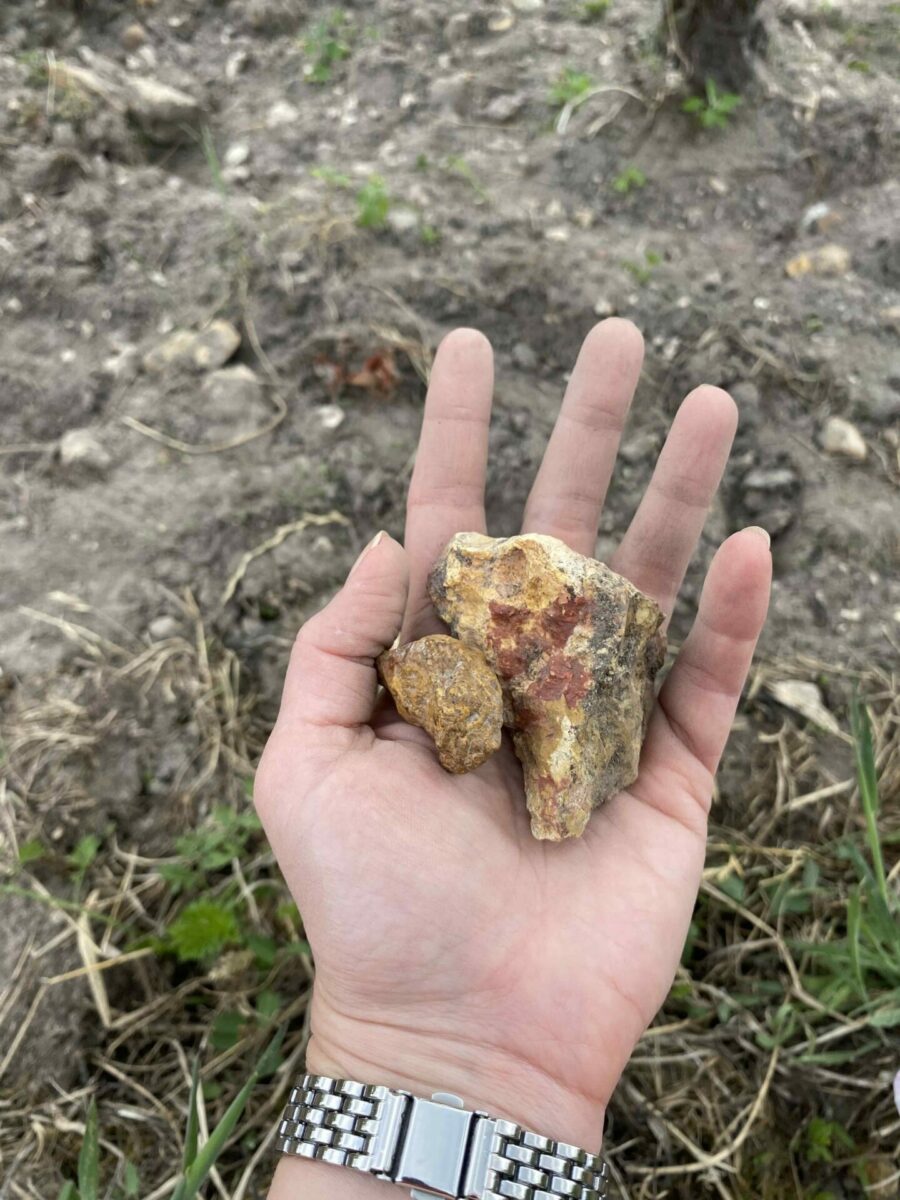
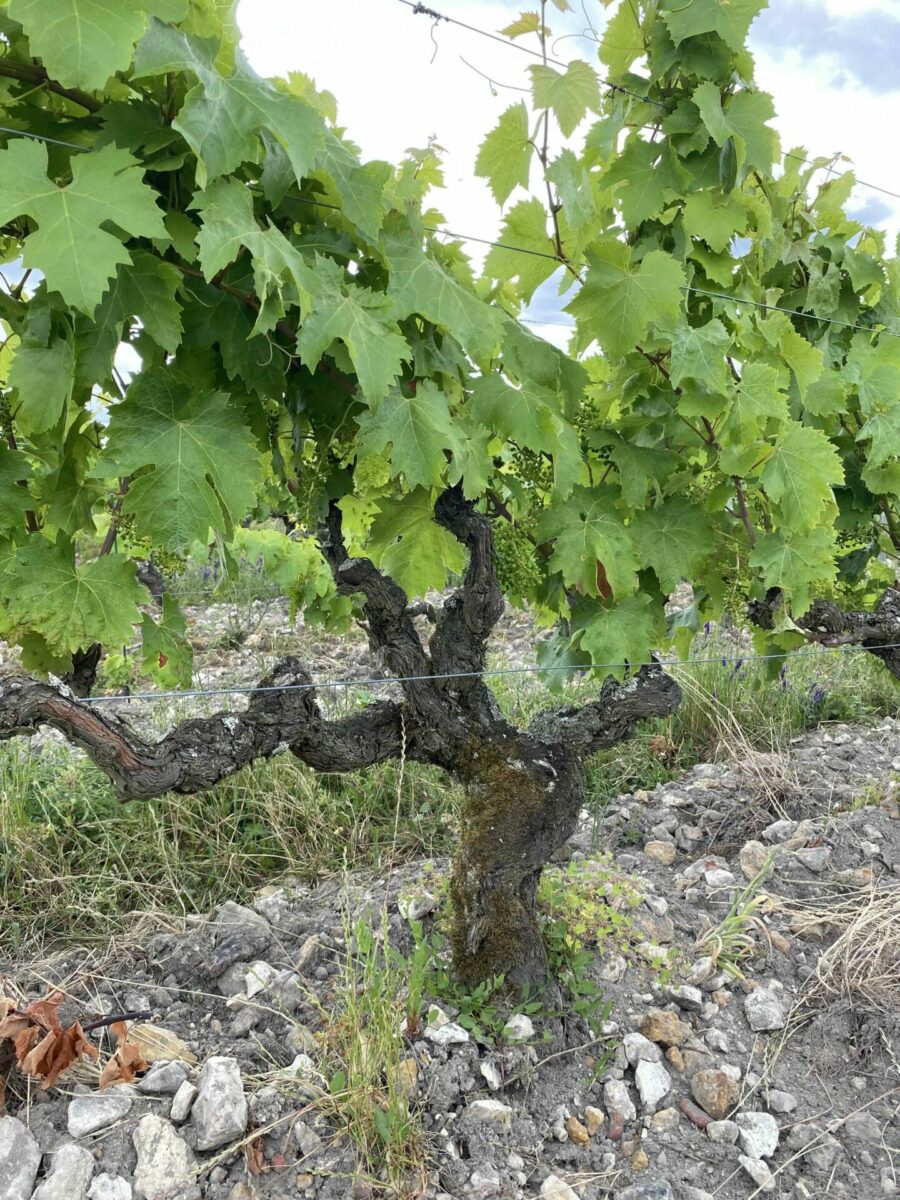
This, perhaps, is the key to her wines: she lets the voice of the grape variety ring clearly, whether Chenin, Gamay or Grolleau. There is no strain in them, no pretence, no desire to prove that natural wine must necessarily be wild, cloudy, sharp or provocative. Her wines are about clarity of sound and astonishing balance. Marie works in a low-intervention mode: spontaneous fermentations, native yeasts, no “technological make-up”, minimal use of sulphur. But the result never slips into chaos. On the contrary, her wines often surprise with their elegance. They are alive, but not careless. Free, but not unruly.
This elegance does not resemble the learned manners of a good school. It is not “trained”. Rather, it is born from the health of the material: from soil that is allowed to live; from vines farmed with the long term in mind; from grapes that do not need to be corrected in the cellar; from an attentiveness that begins long before fermentation. For Marie, low intervention is not a refusal of responsibility. Quite the opposite: it is a form of responsibility. The less you want to correct, the more you must do before the wine ever reaches the vat.
Frantz Saumon: the texture of Montlouis
Frantz Saumon follows a similar philosophy, but on another terroir and in another register. His territory is Montlouis-sur-Loire, and his centre of gravity is Chenin Blanc. For him, too, everything begins in the vineyard. A former forestry technician, he came to viticulture through trees, nature and a deep passion for wine — and that first intimacy with the living world still seems to shape the way he works.
Today he farms 3 hectares, including parcels of very old vines, some more than a century old. Alongside Chenin, he has planted a small amount of Menu Pineau, an indigenous Loire variety that keeps good acidity and produces little sugar, giving naturally lower-alcohol wines — a rather useful superpower in the age of warming vintages.
Frantz is methodical and patient. After several small harvests caused by difficult weather conditions, he created a small négociant activity, buying organic grapes, of course, while keeping all vinification at the estate. With characteristic humour, he called the project Un Saumon dans la Loire. Today, this négociant structure is also a practical administrative solution, allowing him and Marie to vinify grapes from their two different appellations in the same cellar and to release wines under a single brand.
If Marie’s wines often carry a fine line, inner composure and almost fragile transparency, Frantz’s have more volume and a particular beauty of texture. Good Chenin in Montlouis is rarely merely “pleasant”. It demands tension. It must hold acidity, texture, mineral line, ripeness and air all at once. In Frantz’s wines, this tension is not smoothed away — it becomes part of their character.
And the story that began with trees is far from over. Trees are now returning to the estate in another form: apple and pear orchards, along with plantings of Sichuan pepper. It feels less like a decorative addition than a continuation of the same instinct — to think of wine not as an isolated product, but as part of a larger living landscape.
Beyond the label of natural wines
Marie and Frantz are united by a common Loire vocabulary: tuffeau, limestone, sand, silex; Chenin, Grolleau; old vines, organic farming, native yeasts, trust in fermentation. But it would be too easy to reduce them to the convenient category of “natural winemakers”. That would flatten them. Naturalness alone guarantees nothing — not beauty, not purity, not depth. At its worst, it becomes a new academicism, only with a different set of slogans. What is more interesting about Marie Thibault and Frantz Saumon is that their wines show how minimal intervention can be not an aesthetic of carelessness, but a way of giving wine back the right to its own intonation. And they sound very convincing indeed.
This is especially clear in their work with local varieties. Chenin, of course, has long been recognised as one of the great white grapes of the world. But alongside it stands Grolleau — a variety without the international authority of Chardonnay or Cabernet Sauvignon. It is not always easy to explain to the market. It does not always fit expectations of “seriousness”. But precisely there lies its beauty. These wines work like a genius loci: they are not obliged to speak a global language, yet they sound entirely contemporary.
In this sense, the wines of Marie and Frantz are memorable for their feeling of freedom. The freedom of a grape variety not to pretend to be nobler than it is. The freedom of a winemaker not to polish away every rough edge until character disappears. The freedom of wine to remain alive, even if that makes it less predictable. But this is not the freedom of disorder, not the freedom of “whatever happens”, not a teenage rebellion against form. It is the freedom of an adult wine: a wine with a spine, but also with breath.
And perhaps that is what makes them so memorable. The wines of Marie and Frantz remind us that true closeness does not require sameness. That the freedom to be oneself does not exclude union. That wine can be honest without being coarse, alive without being careless, free without being unruly. And somewhere beneath the hills of the Loire, in long limestone tunnels, it is still slowly breathing inside the stone, waiting to meet you.
Un Saumon dans la Loire wine range
- Pétillant naturel — Un Saumon dans la Loire
Grape variety: Chenin Blanc
Alcohol: 11%
A lively pét-nat with apple, pear and a slightly riper fruit profile. The residual sugar does not come across as sweetness, but as a soft sense of volume, balanced by acidity and bubbles. Unforced, joyful, but far from simple, aged 2 years on the lees – disgorged
- Premier Nez 2023 — Marie Thibault
Grape variety: Chenin Blanc
Alcohol: 12.5%
A very pure and honest Chenin: ripe crunchy apple, freshness, transparency, hints of minerality with oyster shell and citrusy fruit. Elegant, composed, precise.
- Minéral + — Frantz Saumon
Grape variety: Chenin Blanc, old vines
Ageing: 50% barrel / 50% concrete, around one year
A more serious and structured Chenin with a nice volume and oily mouth. At its centre are mineral line, stone, acidity, density and verticality. A wine with tension and beautiful texture, where ripeness does not weigh it down but gives it depth.
- Vin de Frantz 2023 — Un Saumon dans la Loire
Grape variety: Chenin Blanc
A white wine from a warm vintage, with lovely volume and soft texture. From the notes: around 1.5 g/l residual sugar; négociant fruit from various sites in the area. More generous and rounded than Minéral +, yet still marked by Loire freshness and a living nerve.
- Vin de Frantz Rouge — Frantz Saumon
Grape varieties: Gamay / Grolleau
A very juicy, bright and beautiful red. It has a slight wildness and natural energy, but without falling apart or becoming coarse. Fruity, fluid, highly drinkable and fresh. An excellent example of a red wine that does not try to become heavy or “serious” through extraction.
- Le Grolleau — Marie Thibault
Grape variety: Grolleau
Light and juicy, with vivid fruit and a slight smoky tone. This wine shows Grolleau not as a secondary grape, but as a delicate, living and expressive voice of the Loire. It has transparency, freshness and a fine structure — almost Pinot-like in a Loire sense: fragile, fruity and light, but never empty.