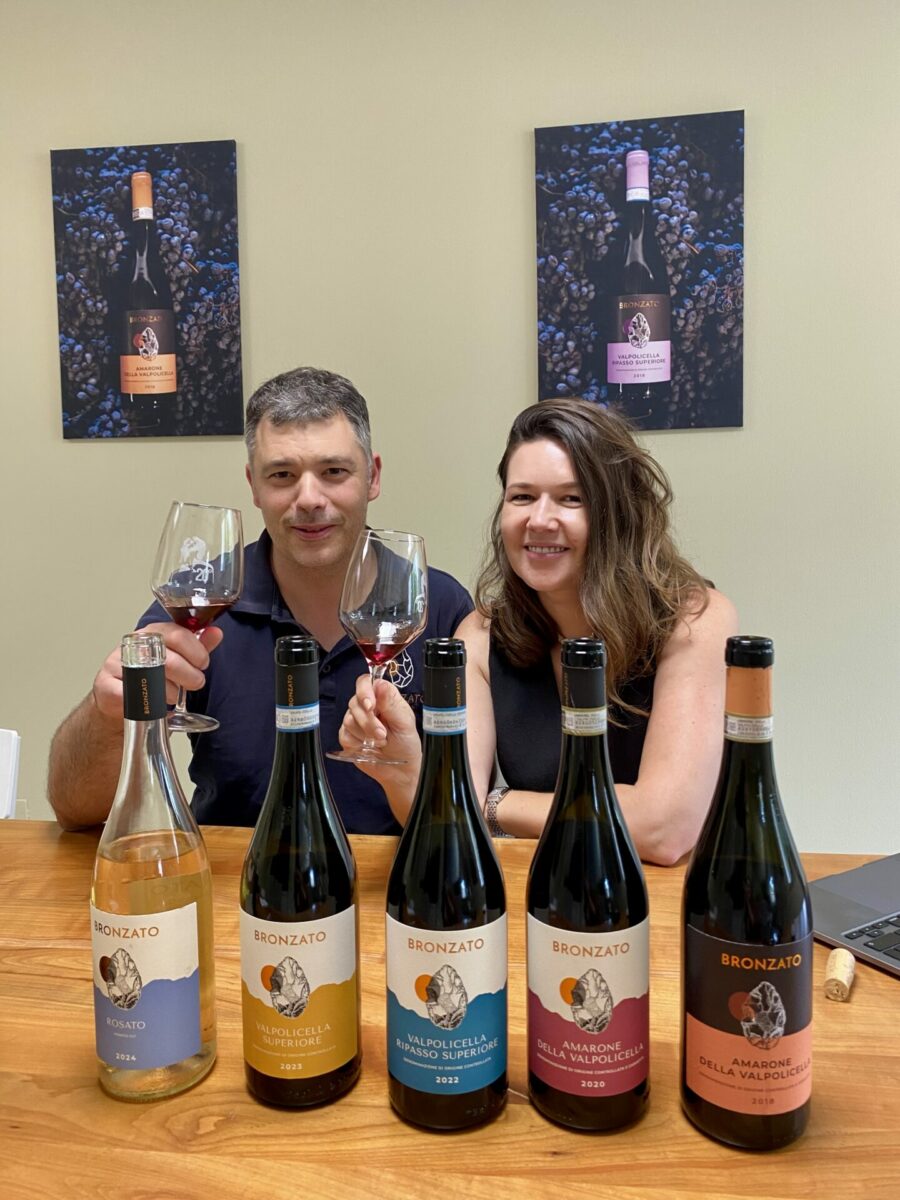
Massimo Bronzato inherited vineyards in Valpolicella, but no established cellar style — giving him the rare freedom to begin with a blank canvas.
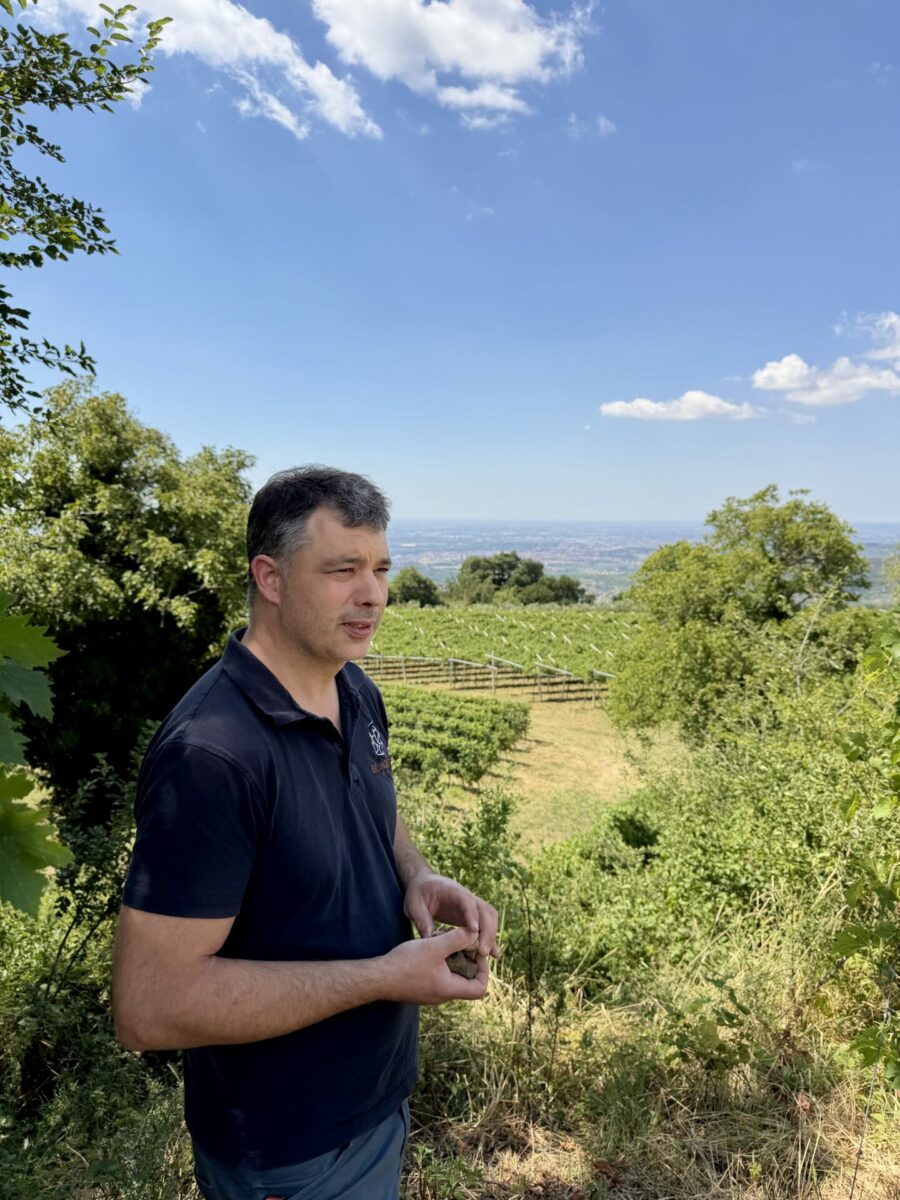
For three generations, his family cultivated grapes in the hills north-east of Verona and sold them to other producers. They knew their vines and their land intimately, including the nuances of the local microclimate, but they never followed the grapes beyond harvest. Massimo became the first in the family to release wine under the family name – the first to complete the cycle and taste the wine from the family’s own vines.
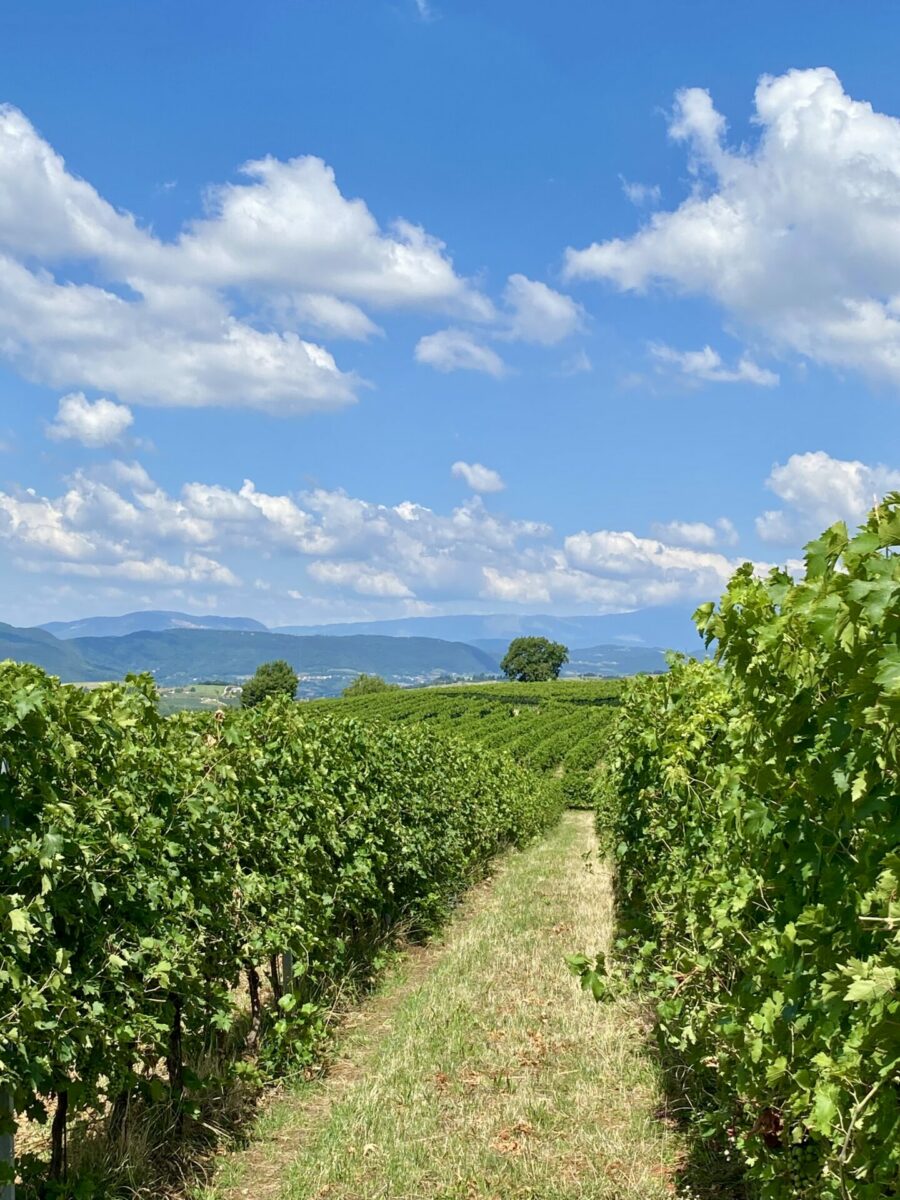
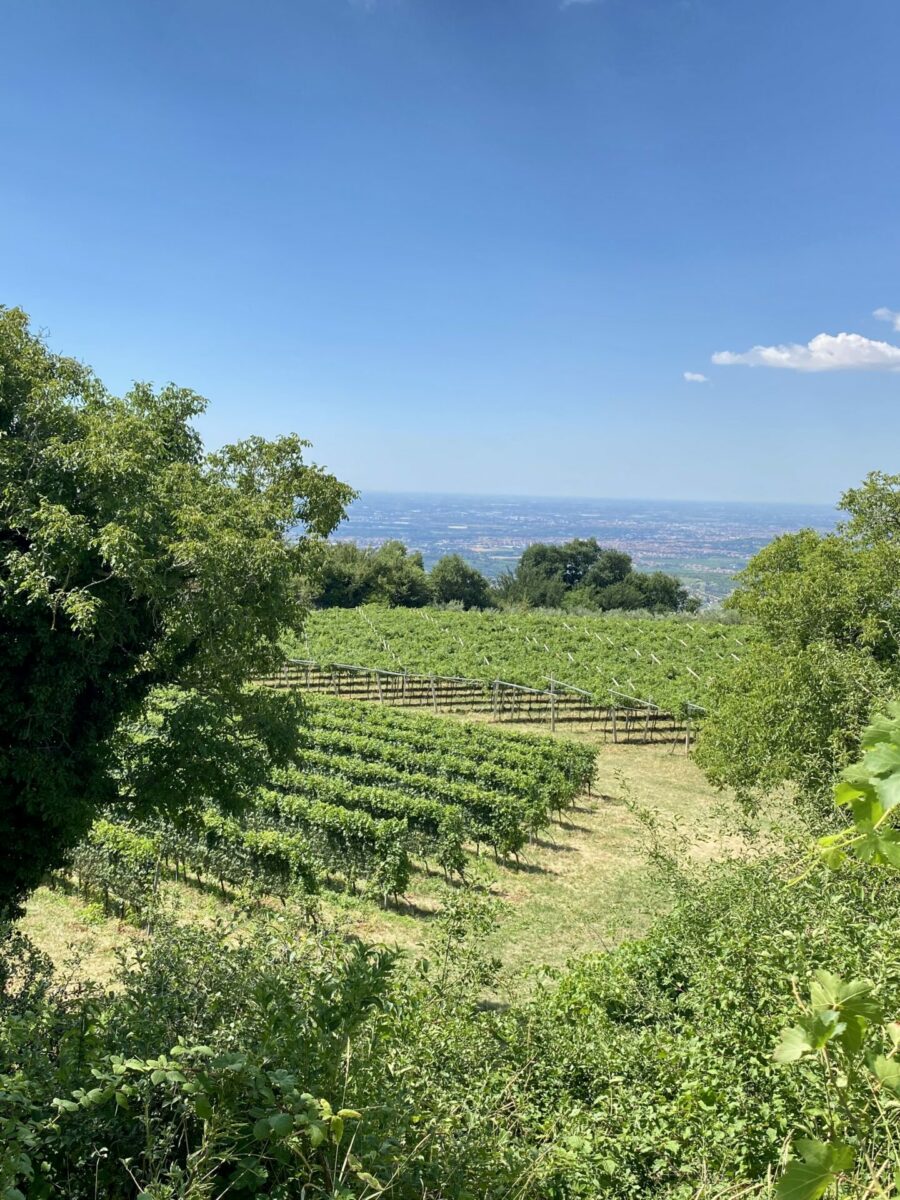
Bronzato’s wines are thoroughly contemporary in style, and that is no coincidence. During the decades when Valpolicella moved towards ever greater ripeness, extraction and power, the Bronzato family was not making wine of its own. There was no grandfather’s ‘muscular’ Amarone for a new generation to reject, and no winemaking tradition in need of revision. When Massimo opened the winemaking chapter of his family’s history, he was free to begin with terroir and Corvina’s natural grace, much as the region’s new generation of producers increasingly does today.
Bronzato is therefore both a first-generation winery and the continuation of a much older farming story. The vines hold the family’s memory; the wines are Massimo’s own interpretation of it.
The chapter Bronzato skipped
The history of the vine in Veneto began long before the boundaries of its modern wine denominations were drawn. Professor and grapevine geneticist Attilio Scienza writes that the oldest evidence of vines in Italy was discovered here: imprints of their distant ancestors preserved in the stone deposits of Bolca, east of Verona. ‘Veneto is a land forged by fire and water,’ Scienza writes. Around Verona, the phrase feels almost literal. Volcanic rock meets limestone; plains give way to cooler uplands; and within just a few kilometres, soils, exposures and microclimates change completely. This geological and climatic mosaic gave rise to the diversity of Valpolicella – not one monumental style, but many subtle interpretations of place.
For a long time, Valpolicella’s international image was defined by stylistic intensity. Amarone, the region’s most famous wine, became firmly associated with concentration, ripeness, sweetness, power and weight. Valpolicella itself was often seen as a lighter prelude to that story: an enjoyable wine, but one rarely discussed with the same seriousness as Amarone.
Curiously, this was not always the case. Old bottles of Amarone from Valpolicella dating from the 1960s and 1970s often reveal a more delicate register: lifted aromatics, fine structure, savoury nuances and an almost veiled elegance. Yet in the 1990s and early 2000s, the pursuit of high scores from influential wine critics, together with the preferences of international markets, encouraged many producers to turn up the volume. In Valpolicella, longer drying periods, later harvests, vigorous extraction and conspicuous oak produced a concentration in Amarone wines most highly rewarded by critics and the markets.
These wines brought the region recognition and commercial success, but they also narrowed the way Amarone was understood beyond Italy. What had become fashionable gradually came to seem inevitable. Today, however, a different style is becoming increasingly visible in Valpolicella: elegant Amarone wines without heavy tannins, full of freshness and appealing dark fruit. Producers at leading estates such as Tedeschi, Bertani, Tommasi and Secondo Marco are seeking to let the true voice of Corvina – the queen of these hills – speak through their wines, and above all to express the finest qualities of a wine region remarkable for the diversity of its landscapes and soils.
The Bronzato family’s winemaking story seems to bypass this period of ‘Parkerisation’ altogether. Massimo did not need to lighten his wines after years of working in a heavier style. His own signature developed without that stylistic influence. This does not mean his choices are accidental: freshness and restraint demand precision, especially in a region where ripeness and appassimento can so easily drown out every other voice. But without a recent family orthodoxy in the cellar, Massimo could find his own style without being constrained by the vinification techniques of the recent past.
In this sense, Bronzato feels entirely contemporary while remaining connected to the history of both the family and the place. The wines are modern, yet the qualities that define them – fragrance, movement and freshness – were part of Valpolicella long before power became its international calling card.
Altitue, Air and Stone
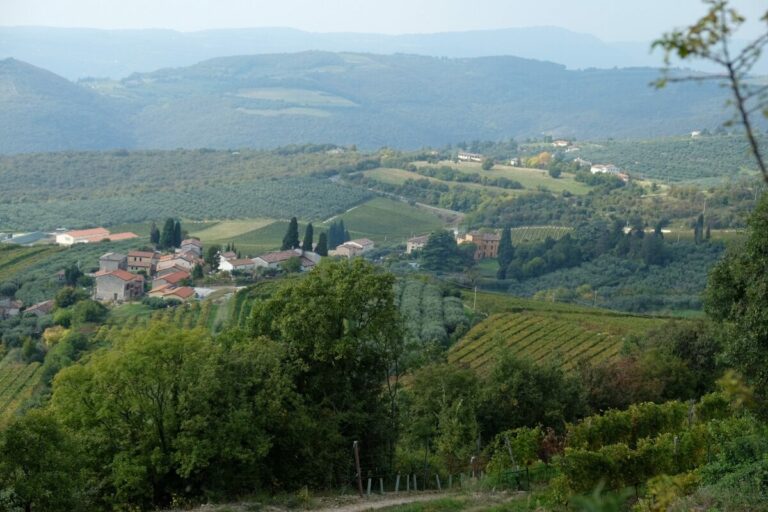
Massimo’s vineyards lie in Mizzole, in the upper Squaranto Valley north-east of Verona. The estate farms ten hectares of vines on hills rising to 500 metres above sea level, close to the Lessinia Regional Nature Park.
The location is central to the style of the wines. At altitude, cooler temperatures and good ventilation temper the heat, helping to preserve acidity and aromatic definition. These conditions have always favoured more delicate wines; in a warming climate, they are becoming more valuable still.
The soils are equally distinctive. Clay alternates with basalt, limestone, Lessinia marble and flint. The flint that has become Bronzato’s symbol is more than a graphic motif: it is a fragment of the local landscape and a sign of the unbroken connection between people and the land.
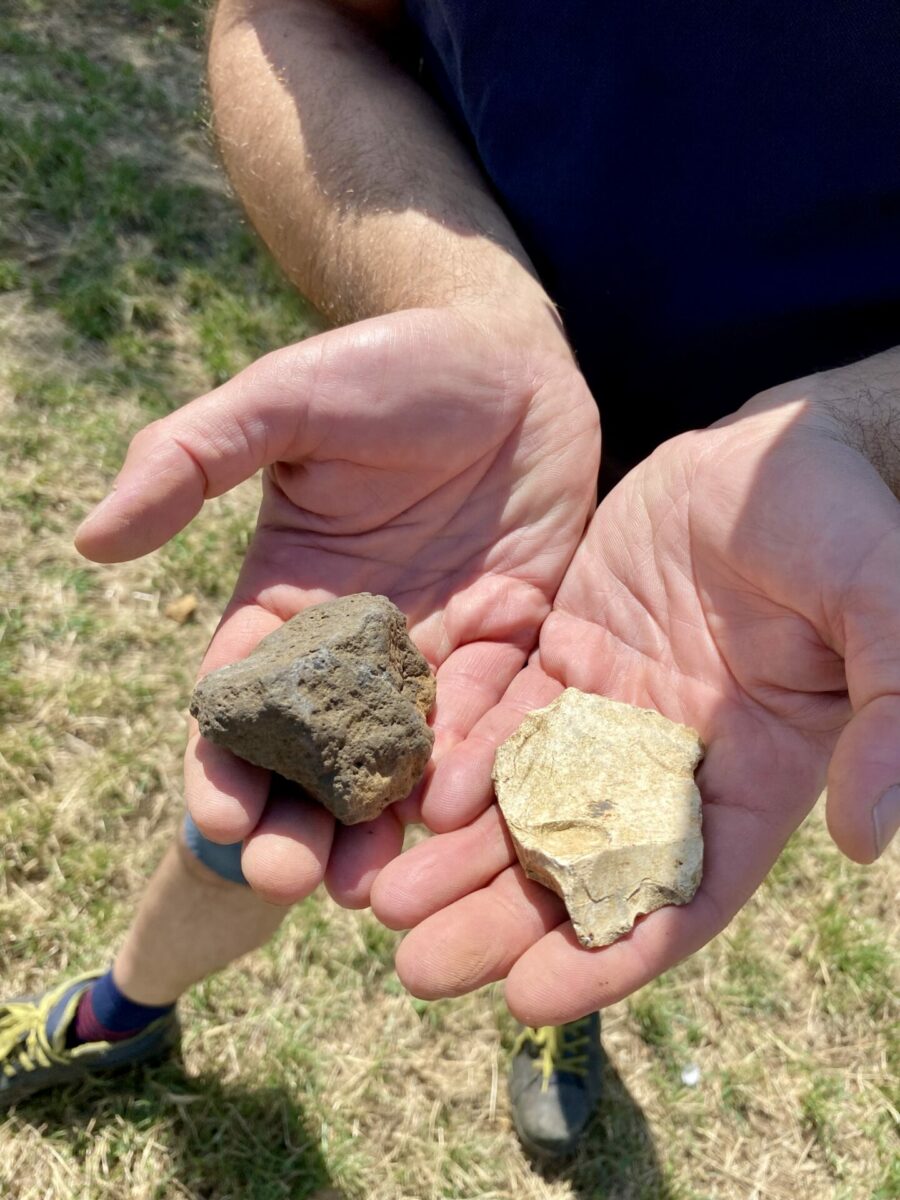
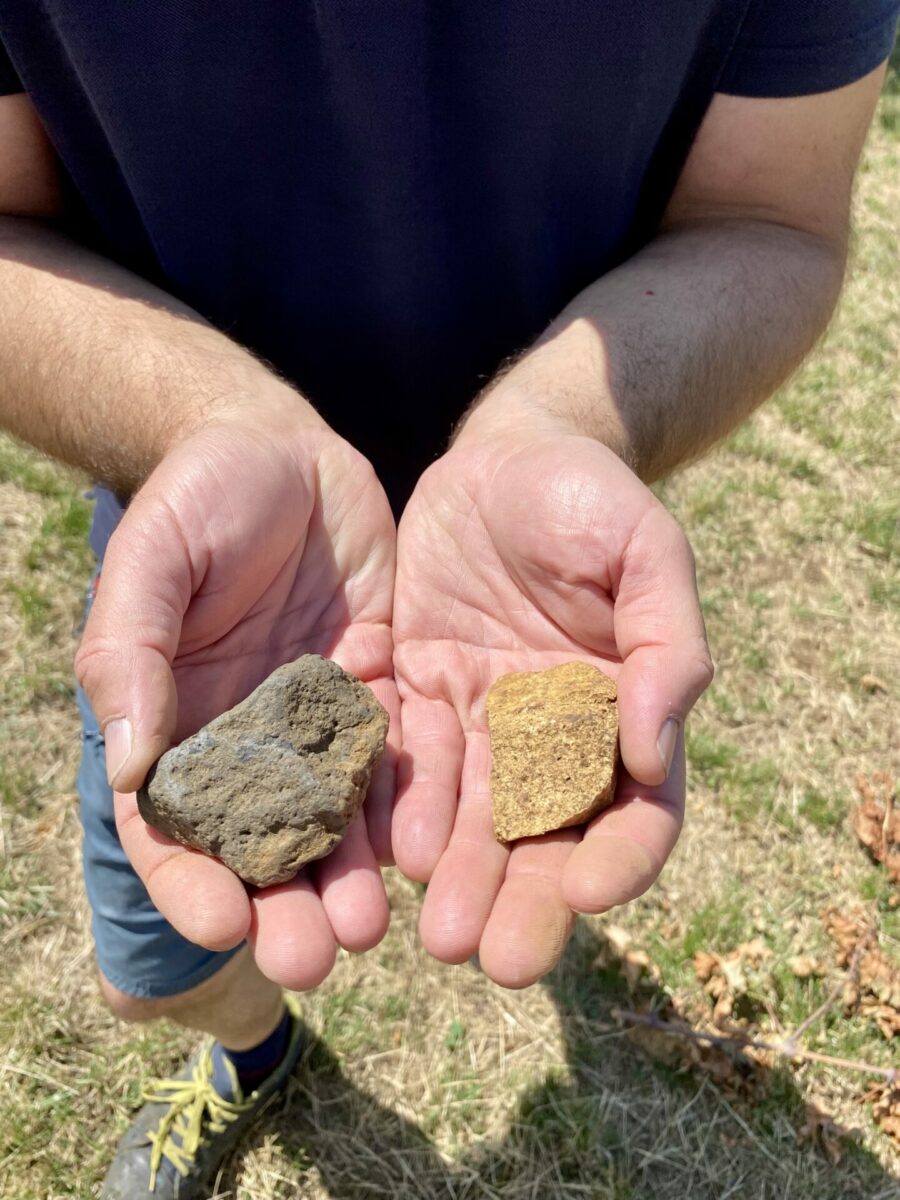
Cover crops and green manures are used in the vineyards – mustard, oats, peas and field beans – to support soil life and biodiversity. Massimo Bronzato’s approach is not to impose a preconceived style on the fruit, but to preserve what the place has already given it: brightness, fragrance and balance.
Valpolicella is a vast and intricate territory whose character shifts with altitude, exposure, air currents, rainfall and soil. Limestone, clay, basalt and flint occur in different combinations across its slopes and valleys. Even over a short distance, the character of the wines can change noticeably. Valpolicella is not a single style but a mosaic of nuances, and Bronzato’s high, well-ventilated vineyards are one precisely defined piece of that mosaic.
Corvina takes the lead
Around 70% of Bronzato’s vineyards are planted with Corvina, with Corvinone and Rondinella accounting for the rest. Corvina is the leading voice in Massimo’s wines, and its natural qualities help explain why elegance here never feels like the result of something missing.
Corvina brings bright sour-cherry fruit, fragrance, fresh acidity and, at times, a subtle almond bitterness. Its tannins generally remain light to moderate, giving the wine definition without forcing it towards heaviness. The variety is also particularly well suited to drying – an essential quality in a region where appassimento is not merely a technique but part of the local language.
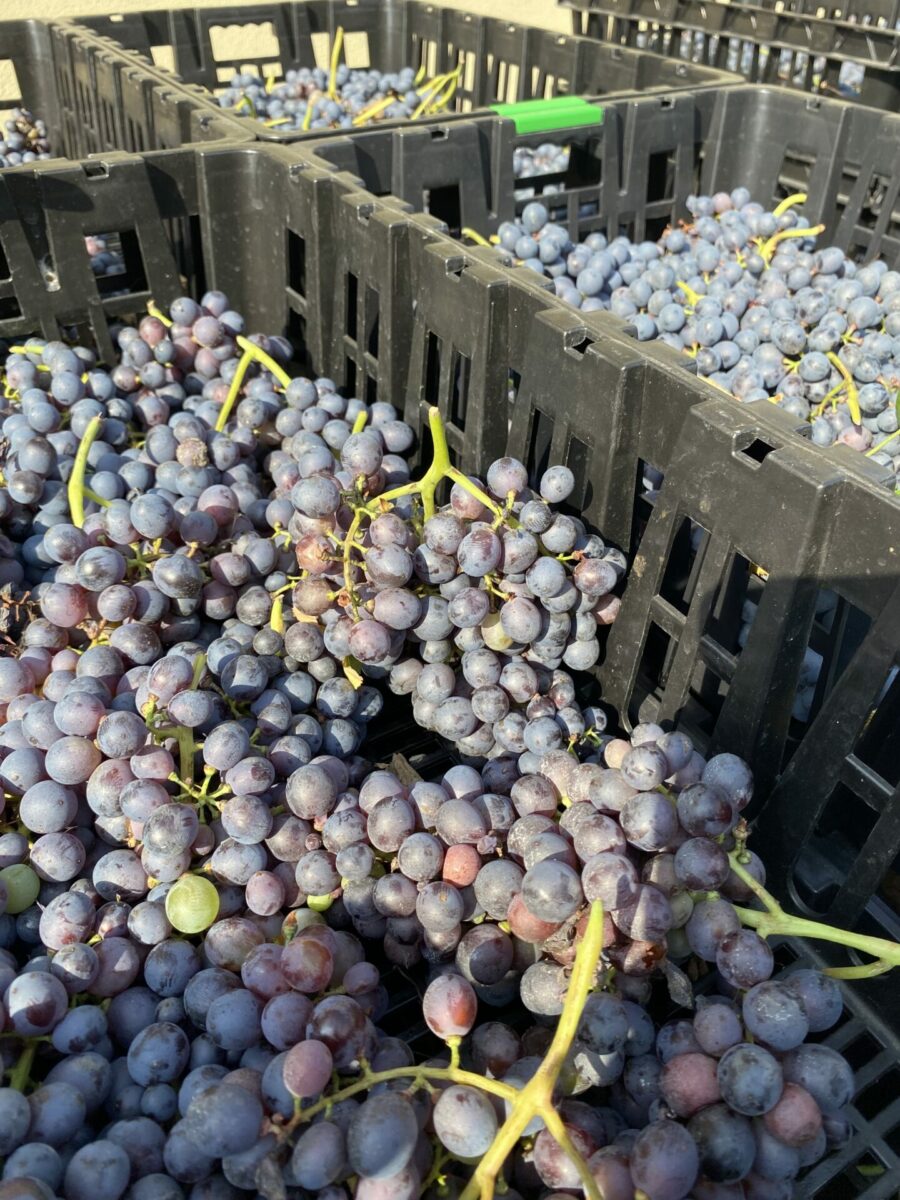
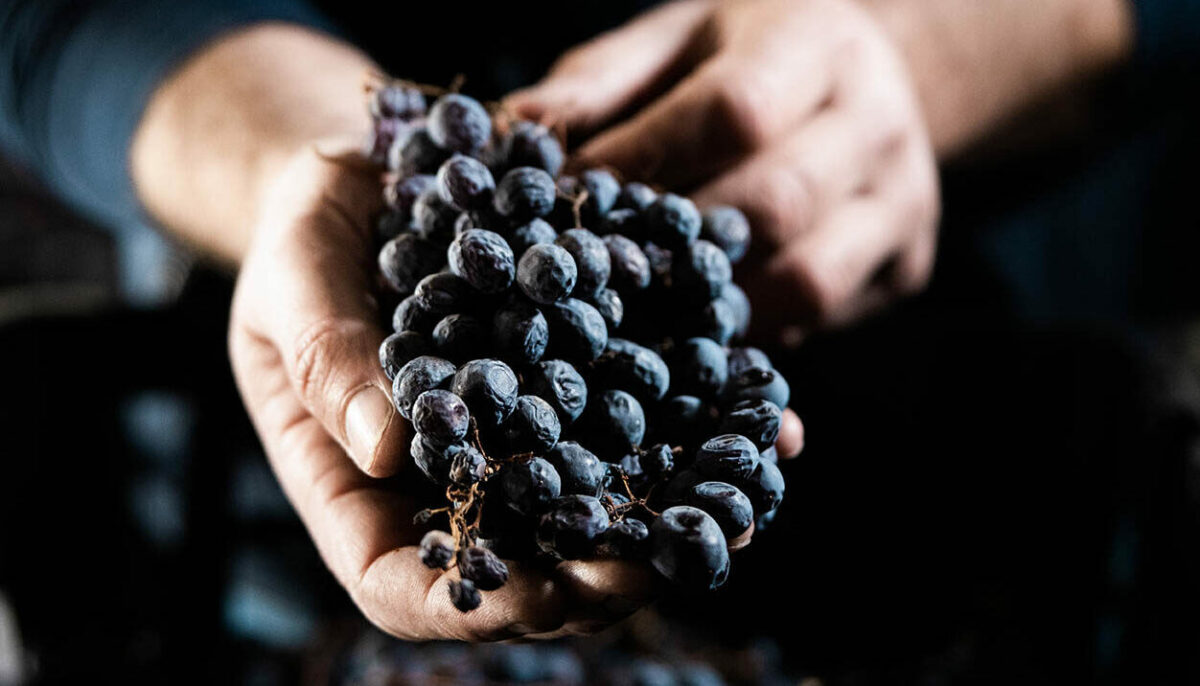
Another component of the classic Valpolicella blend is Corvinone. Long believed to be a large-berried form of Corvina, it is now recognised as a distinct variety. It contributes fresh acidity and structure, while its large berries and loose bunches make it especially well suited to drying. Rondinella plays a quieter but important practical role: productive, resistant to most fungal diseases and reliable during appassimento, it adds fruity, cherry-toned notes while supporting the more expressive Corvina.
Together, the three varieties form less a hierarchy than an ensemble. Corvina carries the melodic line; Corvinone lends its volume and resonance; Rondinella holds the composition together. The proportions may change, but the balance of fragrance, structure and freshness remains the foundation of the style.
Massimo Bronzato works with Corvina’s natural qualities, allowing it to retain its energy even in wines shaped by appassimento. This creates a recognisable continuity across the range, from the immediacy of Valpolicella to the depth of Amarone.
Valpolicella more than Amarone
Valpolicella is not merely the first rung on a ladder leading to Amarone. At its best, it is a complete expression in its own right: vivid, fragrant and gastronomic, with Corvina’s natural grace at the centre of the composition. Valpolicella Superiore gains depth and texture without losing momentum. Ripasso occupies its own space between immediacy and complexity. And Amarone does not need to be monumental to be profound. At Bronzato, it matures primarily in large 20- to 30-hectolitre casks, while smaller barriques are used selectively rather than as a stylistic signature.
The result is not a ‘lighter’ Amarone created to satisfy a trend. It is Amarone made with proportion: ripe but not static; concentrated but not opaque; complex but not heavy. Power is present, but it remains under control.
A beginning with a long memory
Whenever lighter wines are discussed, there is a risk that ‘light’ will be mistaken for simple or insubstantial. In Valpolicella, the opposite may be true. Preserving transparency can require more confidence than building power; achieving length without weight can demand greater precision; and allowing a vineyard to speak without technological decoration calls for greater restraint.
Massimo Bronzato began making wine without inheriting a ready-made formula whether for Valpolicella, Ripasso or Amarone, but that does not mean he was without a legacy. Behind him stood three generations of people who had cultivated their land, watched the seasons turn and learned how these vineyards behaved. What they passed down was not a recipe for those wines, but something more fundamental: an intimate knowledge of place.
Perhaps that is why Bronzato’s wines do not feel nostalgic. They begin the family’s winemaking story in a language that seems naturally suited to these picturesque hills near Verona.