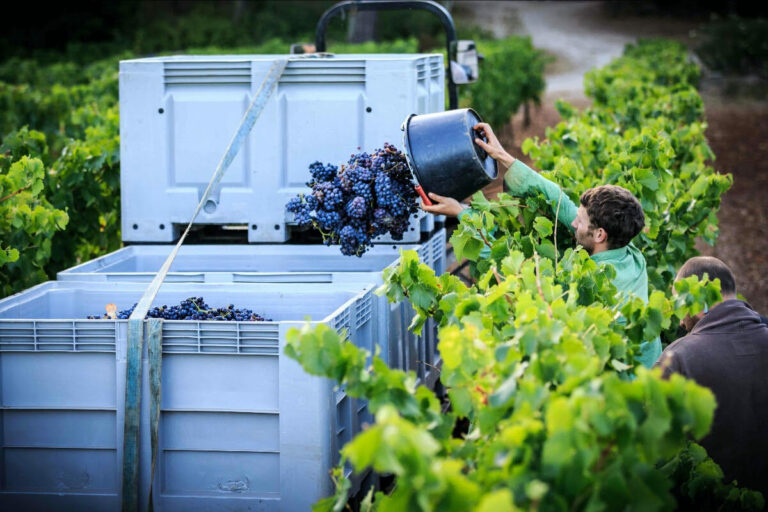
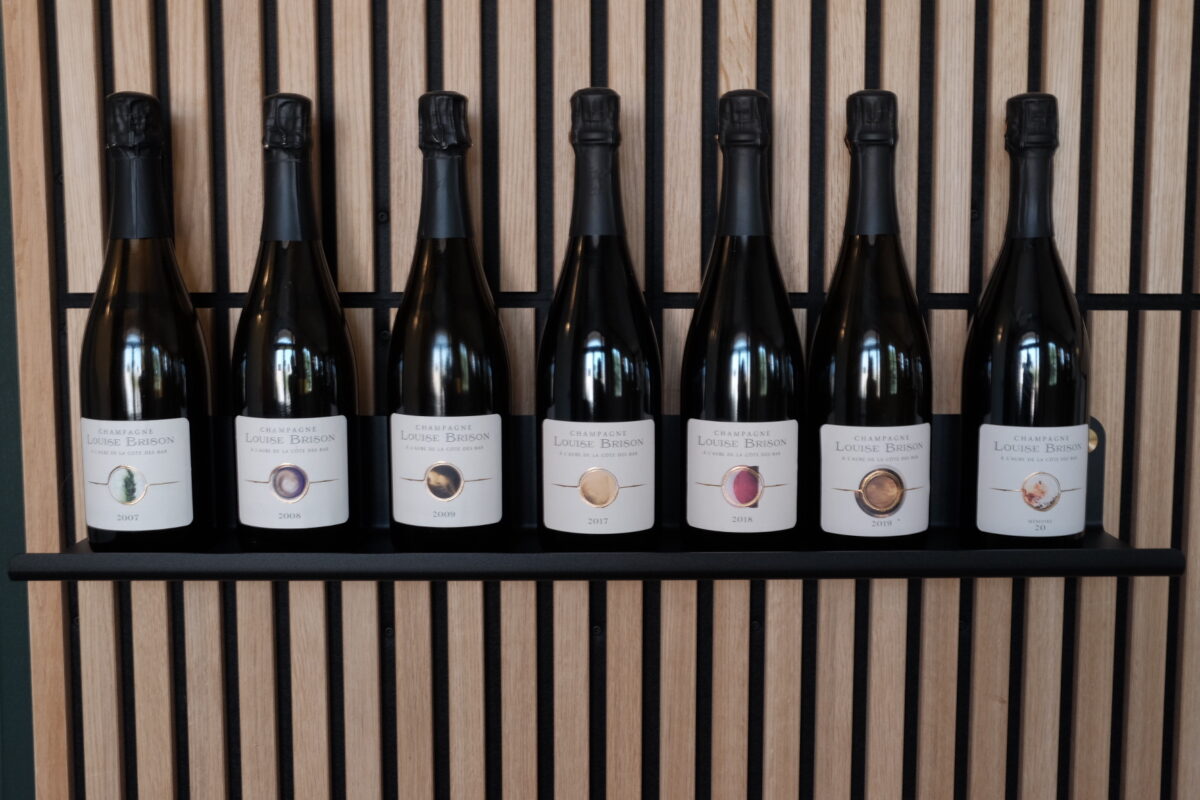
In the cellars of Louise Brison, you can choose a Champagne back to the 1997 harvest. Alongside it are other carefully preserved vintages, each with its own character and story. The family does more than produce vintage Champagne: for decades, they have patiently built a library of harvests, a selection of which is now available to order. For lovers of mature Champagne, this offers a rare opportunity to explore several vintages from a single estate, including wines in magnum.
The collection reveals how the seasons have varied and the wines have evolved. Behind it are the decisions that shaped the estate: buying land, beginning to make their own Champagne, and setting bottles aside for years of ageing. At Louise Brison, the story of the vintages is inseparable from the story of the family.
From the first Vines to the first estate vintage
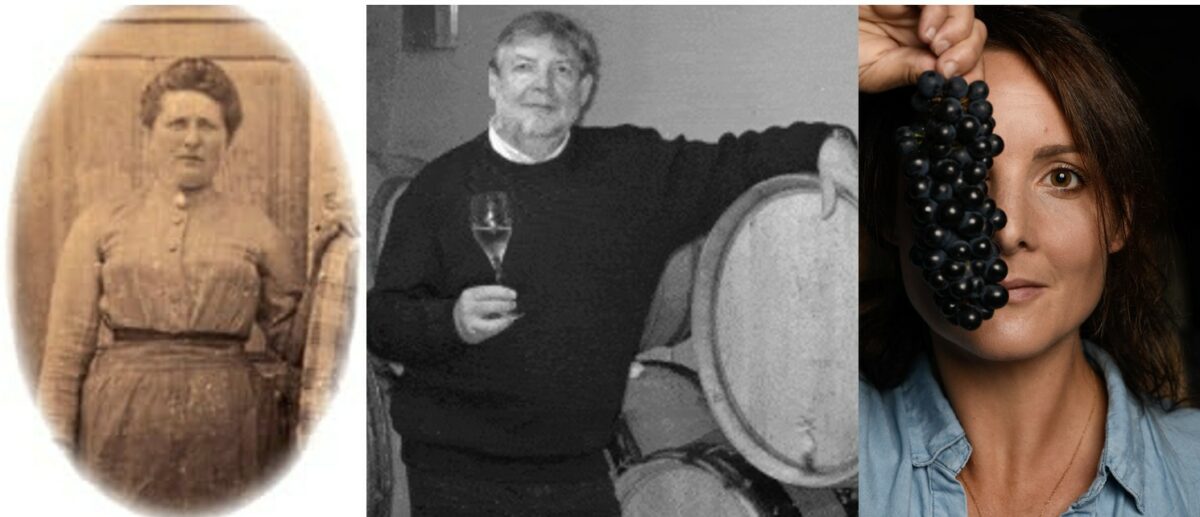
In 1900, Louise Brison, Delphine’s great-grandmother, purchased vineyard land in the Côte des Bar and began planting and tending vines. It was a difficult and financially uncertain undertaking, particularly for a woman of her time. The future of local winegrowing offered little of the certainty that the name « Champagne » suggests today, and way before 1927 with the overdue inclusion of Côte des Bar into AOC Champagne. Louise’s determination laid the foundations for the generations that followed; her name lives on on the labels of the family’s wines.
The next major development at the estate came with the 1991 harvest. Francis Brulez, Delphine’s father, decided to move from selling grapes to making the family’s own Champagne. The 1991 harvest became the estate’s first vintage.
From the outset, Francis chose to make vintage Champagne: wines that would preserve the individuality of a particular year. It was also his decision to bottle Champagne in magnums. Fermenting and ageing the base wines in oak, allowing them to mature slowly in bottle, and paying close attention to each harvest established the approach that his daughter Delphine would carry forward.
Delphine began making her own wines at the family estate in 2006. An agronomist and oenologist, she implemented organic viticulture while continuing her father’s commitment to vintage wines and large formats. Today, the library offers vintage bottles from harvests made by different generations of the family.
A Harvest Worth Preserving
For Delphine, choosing to make only vintage Champagne is a way of expressing the terroir in all its dimensions: the soil, the family’s work in the vineyard, and the climate of each year.
The influence of neighbouring Burgundy is certainly present; Pinot Noir and Chardonnay grapes find their home here on kimmeridgian soils, and Chablis is geographically closer to the estate than Reims, yet Delphine describes it above all as a winegrower’s influence. Each vintage preserves the imprint of what happened in the vines. As the climate becomes more variable, this approach feels increasingly meaningful to her: every year has its own personality, balance and course of development.
The family’s conviction begins with the quality and individuality of their land. Vintage Champagne allows them to reveal that identity through the nuances of each season, thus no vintage tastes the same. Quality is built in the vineyard, then developed through the care given to the wines and the time they are allowed to express themselves.
Keeping a champagne until its time comes
A vintage library cannot be assembled in just a few seasons. It takes years of setting wines aside, allowing them to mature, and following their development, and a lot of patience.
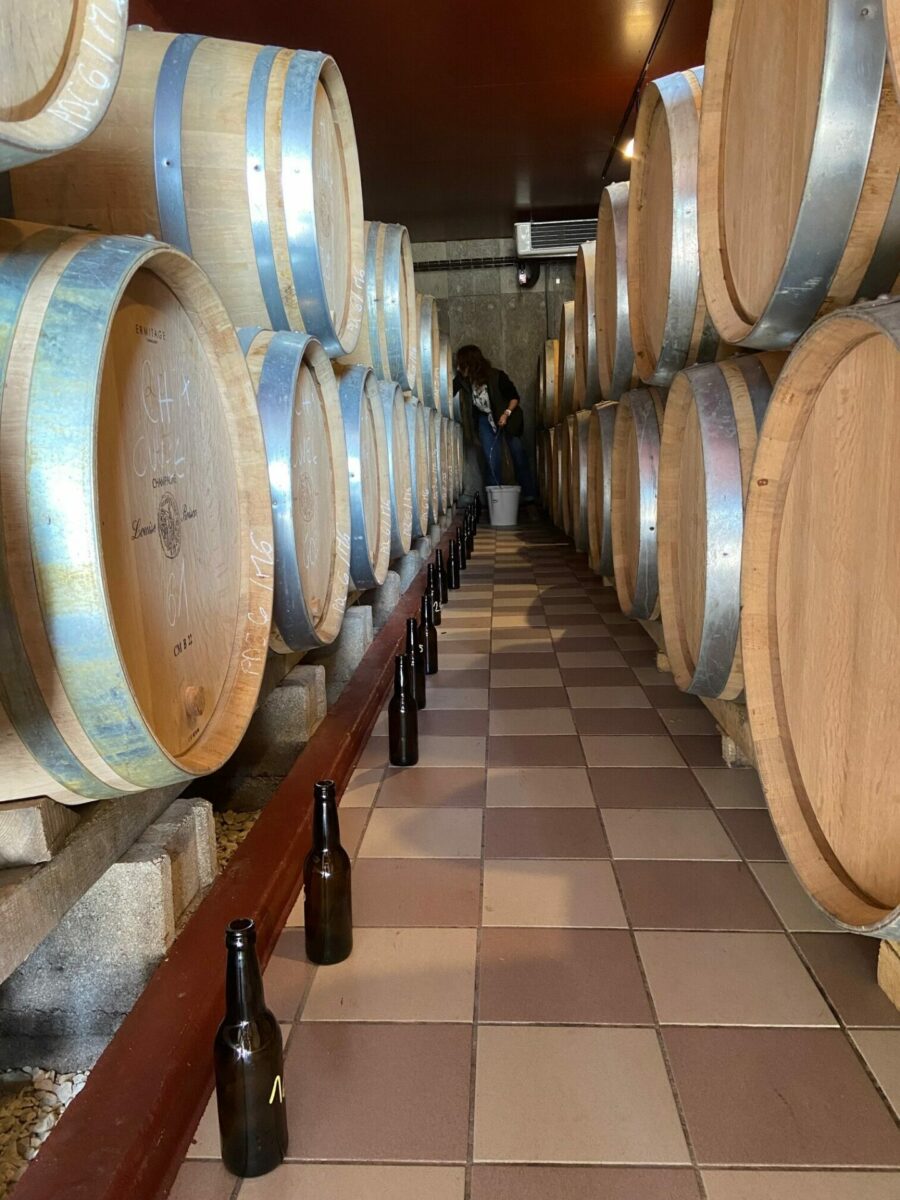
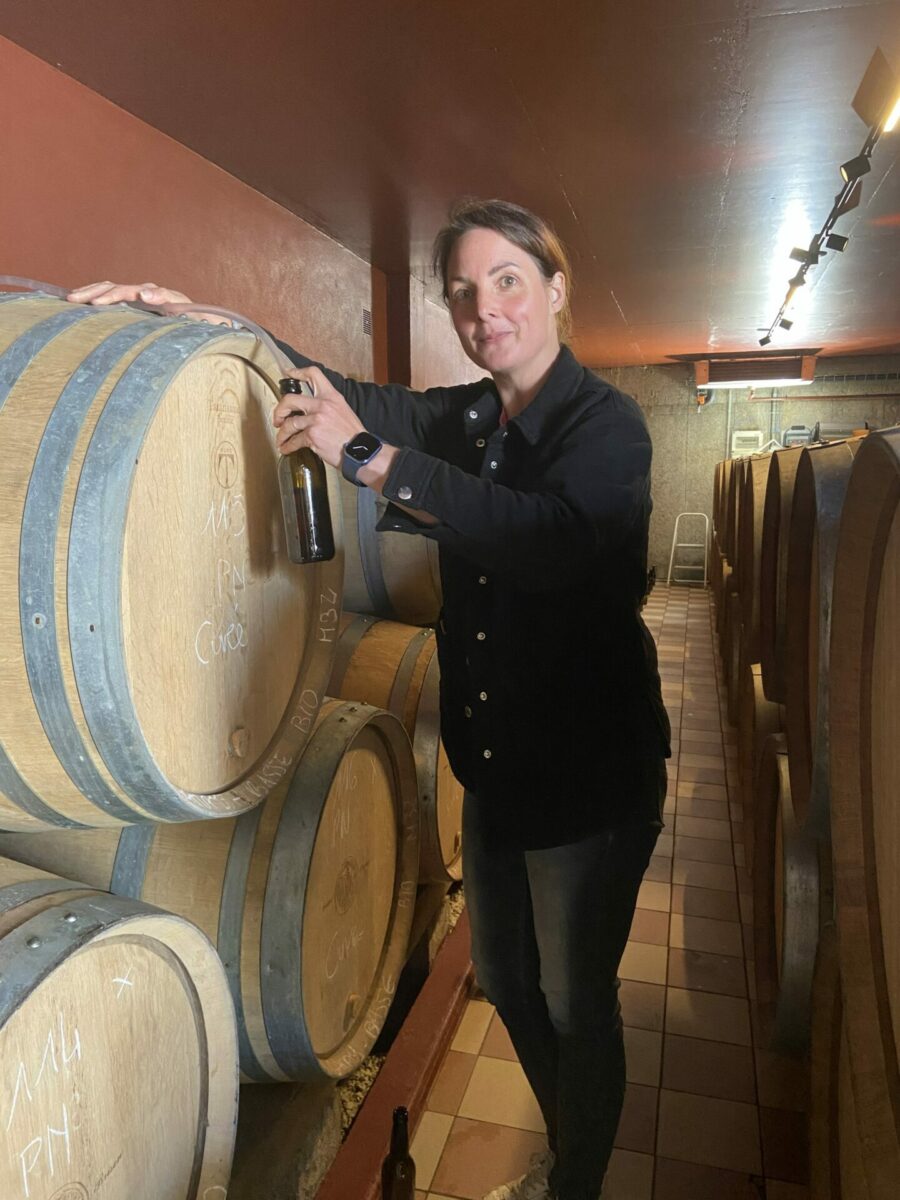
Long ageing has been part of Louise Brison’s approach since Francis began making Champagne. The details have evolved: maturation in oak barrels has increased from six or seven months to ten or eleven. The family has also always sought to give the wines at least five years of ageing in bottle, although the small harvests of recent years have required some flexibility.
The decision to release a Champagne combines practical considerations with tasting. Available volumes and the succession of harvests matter, but so does the way each vintage develops. Around four years into ageing on the lees, Delphine assesses the wine’s balance and readiness. A fixed number of years cannot provide the answer on its own.
Sometimes this means changing the order in which vintages are released to the market. The 2002, for example, had considerable ageing potential, while the 2003 evolved more quickly.
The conditions of that long rest matter too. In a stable, undisturbed cellar, the wines develop slowly, gaining harmony and complexity. It is this balance that Delphine seeks when deciding that a Champagne is ready to leave the estate.
We have previously written about the Légende range, which included Champagnes aged on their lees for at least ten years. On the estate’s current website, mature vintages also appear under the name Mémoire de la Côte des Bar — the memory of the Côte des Bar.
The oldest vintage currently available to order from the estate’s library is 1997. It offers the chance to taste a wine the family has preserved for almost three decades and compare it with later harvests. The older vintages include Pinot Noir–Chardonnay blends as well as Blanc de Blancs; available years and formats can be confirmed when ordering.
The collection preserves this diversity: different seasons, different balances, different paths towards maturity. Opening several vintages allows those differences to emerge in the glass.
Magnum in the family collection
Magnums have been part of the estate’s production from the beginning, even when quantities were small. For Francis, and later Delphine, they offered each harvest the best opportunity to develop.
“For us, it is the format that best supports the wine as it ages,” Delphine explains. “It was therefore unthinkable to produce a vintage without keeping some of it in magnums.”
Experience reinforced that conviction. Through years of tasting, the family observed greater balance and complexity in magnums, as well as a difference in ageing potential compared with standard bottles, particularly in warmer vintages.
At first, the aim was to keep magnums for six or seven years. As successive bottlings built up the stocks, the family gradually established a rotation of around ten years. The longer ageing grew out of what they tasted: additional time showed qualities they wanted to give the Champagnes every chance to reveal.
“The magnum is an integral part of how we think about wine over time,” says Delphine.
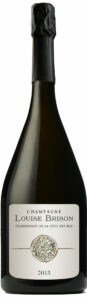
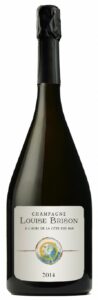
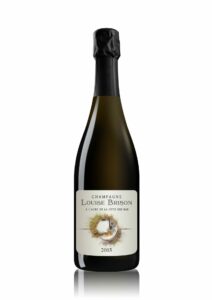
The 2026 export list features A l’Aube de la Côte des Bar 2013, 2014 and 2015 in magnum, as well as 2012 in jeroboam. All four are Brut Nature, blending equal proportions of Pinot Noir and Chardonnay. Alongside the older library vintages, they offer a choice of wines for a gathering, a tasting or a carefully planned menu.
A large bottle naturally calls for company. And this is where the collection’s story moves from the cellar to the table: the Louise Brison family loves good food as much as Champagne.
Current magnum more than 10 years old
Vintage 2013
Vintage 2014
Vintage 2015
What to serve with a mature vintage
Cooking is one of Francis’s great passions. The family loves preparing meals and gathering around the table, and black truffles are among their favourite ingredients. They have planted hazelnut trees and truffle oaks on the estate and now harvest their own black truffles.
One of Francis’s signature dishes is truffles wrapped in puff pastry with foie gras and smoked pork belly, served with Périgueux sauce. This recipe published some years ago for Christmas dinner recommends Louise Brison Légende 1998 alongside it. It is a delicious illustration of how mature Champagne can complement a richly flavoured dish in which aroma, texture and sauce all play an essential part. The family has plenty of other tempting dishes and pairings to share, too.
Favorite dishes and wine pairings of the Brulez family
From scallops to aged cheese and fruit pastry, different vintages accompany an entire meal. Such a menu reveals the library’s gastronomic possibilities and offers a starting point for pairings of your own.
- Scallop carpaccio with Perlita caviar — Champagne 2012
- Warm oyster — Champagne 2010
- Soft scrambled eggs with truffles — Champagne 2006
- Pan-seared foie gras — Champagne 2009
- Comté aged for 24 months — Champagne 1999
- Mirabelle plum tartlet — Champagne 2011
The opportunity to order mature Louise Brison vintages invites you to continue this story at your own table: choose a harvest, find a dish to accompany it, and bring people together. The land Louise purchased, the decisions Francis made, and Delphine’s work all find expression in a wine the family has kept until the moment comes to open it and share it.
You can contact us, for the current list of available vintages and formats, and help choosing wines for your collection or menu.