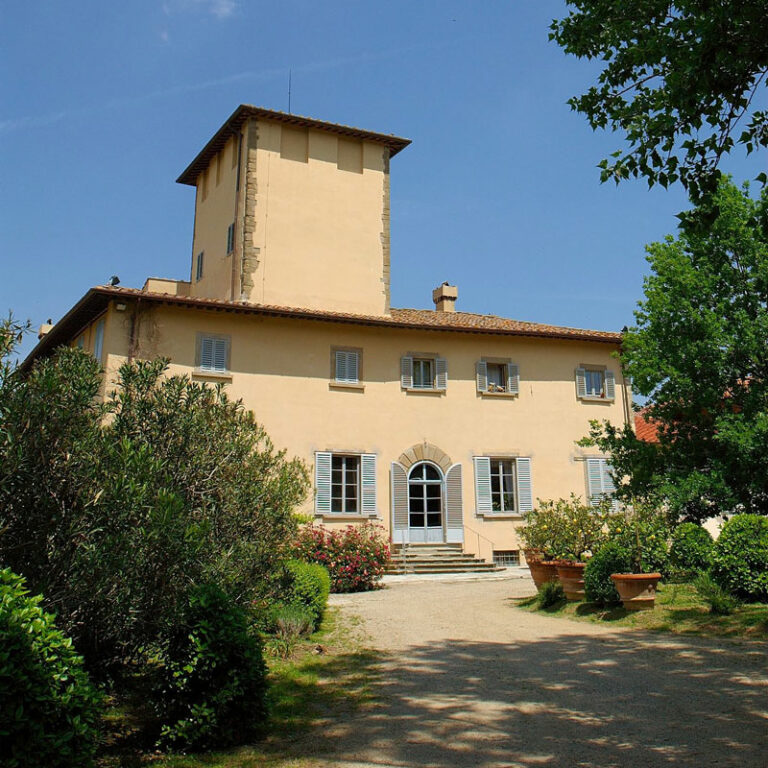
Beyond great wine: What makes an estate a long-term partner (6/6 serie)

Some wine estates begin to reveal themselves after the very first great bottle. Others can only be understood when viewed as a whole. Selvapiana belongs firmly to the latter. One bottle is not enough to grasp the philosophy of the estate. It only becomes fully apparent when its entire portfolio is seen as a coherent whole.

Continue Reading Beyond great wine: What makes an estate a long-term partner (6/6 serie)
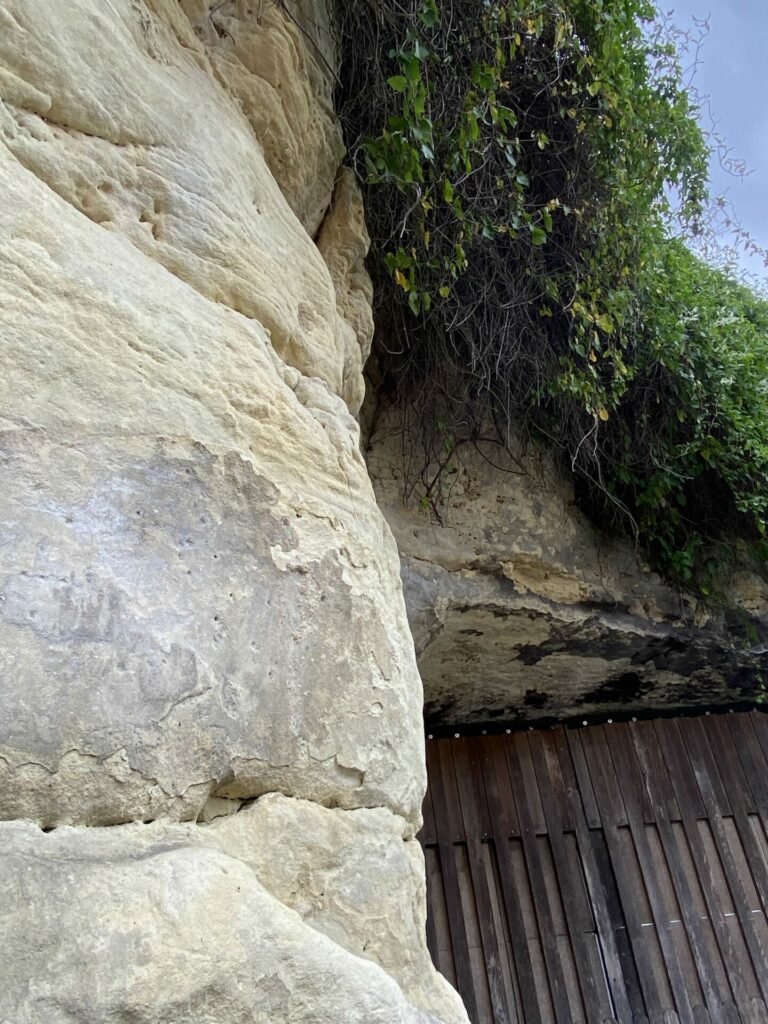
Two Voices of the Loire: Marie Thibault and Frantz Saumon

There is the Loire of tourist brochures: châteaux, cycling routes, river light, the flawless French pastoral. And then there is the Loire you enter through a door in the rock. Around Tours, soft limestone has for centuries been carved into houses, cellars and long underground tunnels, where wine matures in coolness and silence. It is here, in this less ceremonial and far more interesting Loire, that Marie Thibault and Frantz Saumon work — two winemakers, two spouses, two independent voices. Their wines do not try to be “correct”. They do not polish local varieties until they shine with international gloss, nor do they turn natural wine into a circus act. They simply allow Chenin, Grolleau, Gamay and stone to speak in their own language — alive, precise, free, but never unruly.

Continue Reading Two Voices of the Loire: Marie Thibault and Frantz Saumon

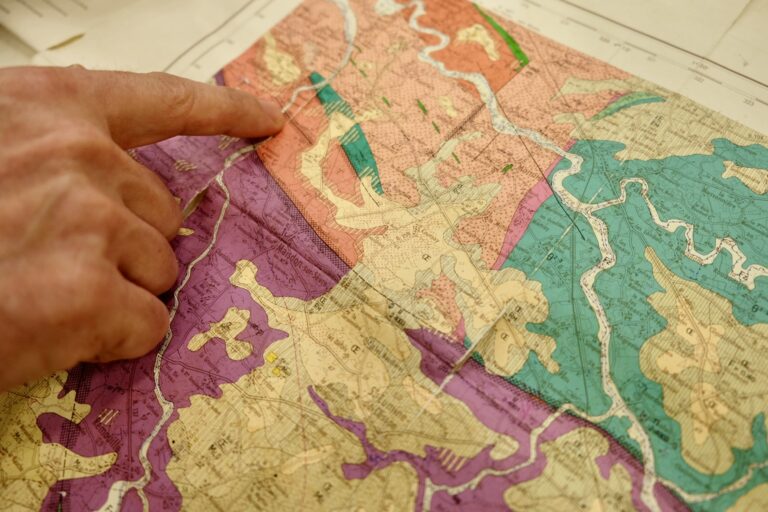
Tasting a Geological Map: The New Face of Muscadet at Domaine Batard Langelier

Everyone knows Muscadet. Or at least, everyone thinks they do. Pale, sharp, inexpensive and dispatched alongside a dozen oysters before anyone has had time to ask where the wine came from. For decades, that was both Muscadet’s great commercial success and its greatest problem: the region became famous for a style before anyone bothered to look closely at the place.

Continue Reading Tasting a Geological Map: The New Face of Muscadet at Domaine Batard Langelier

Pomino: Tuscany, but not as expected (5/6 Series)

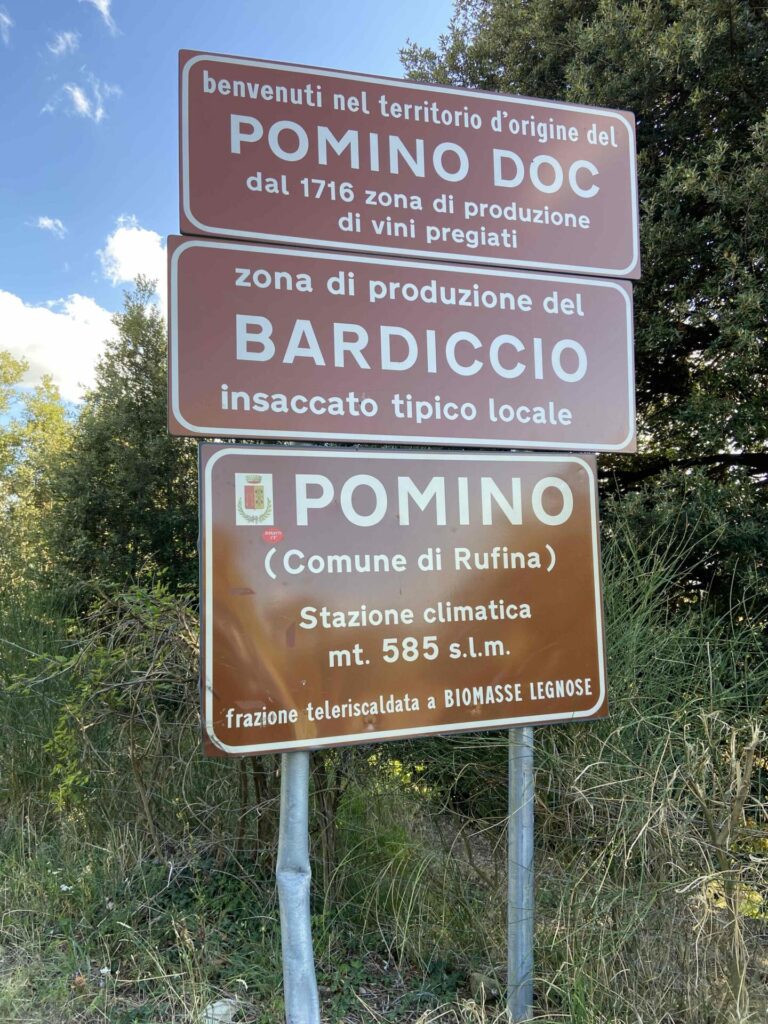
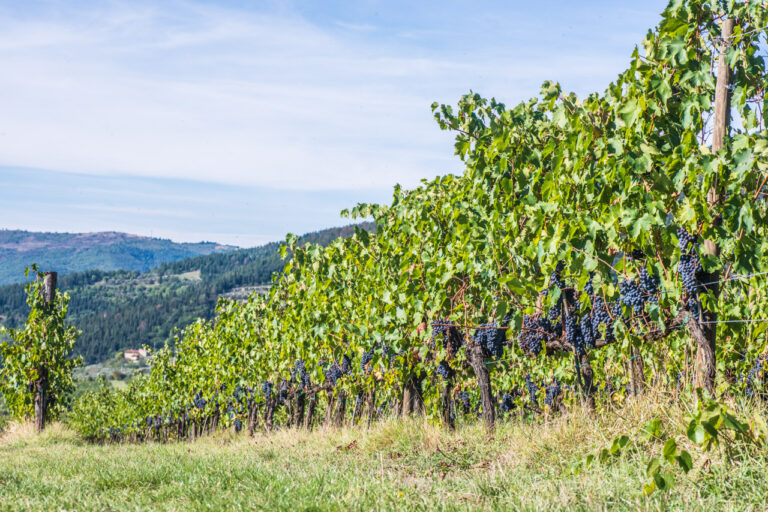
Tuscany has trained wine enthusiasts to think in red - Sangiovese, Chianti, Brunello, Super Tuscans — great stories of the region are told through tannin, time and the evolution of red fruit in the glass. Pomino breaks that habit and offers another reading of Tuscany: cooler, fresher, more lifted in both red and white wine expressions. For Selvapiana, this is not a side note, but an extension of the same instinct that defines its Rufina wines.

Continue Reading Pomino: Tuscany, but not as expected (5/6 Series)

Selvapiana: single vineyards and the architecture of identity (4/6 serie)

For decades, Chianti was built around blending — a logic of composition where balance mattered more than distinction. Differences between sites were softened into a broader regional identity. Single-vineyard wines changed that perspective entirely. They shifted attention away from formula and toward origin. At Selvapiana, this transition did not happen as a trend. It emerged from the territory itself.

Continue Reading Selvapiana: single vineyards and the architecture of identity (4/6 serie)
Read more about the article Selvapiana: Sangiovese as a philosophy, not just a variety (3/6 serie)
Bucerchiale vineyard at Selvapiana - chianti Rufina

Selvapiana: Sangiovese as a philosophy, not just a variety (3/6 serie)

In Tuscany, today, Sangiovese is everywhere. It shapes the landscape, defines identity, and often sets expectations before the wine is even poured. Yet its ubiquity does not automatically translate into meaning. What ultimately matters is not the presence of the grape, but the way it is understood.

Continue Reading Selvapiana: Sangiovese as a philosophy, not just a variety (3/6 serie)

Selvapiana: history is a commercial advantage, not just a narrative (2/6 serie)

In today’s wine market, heritage is everywhere. Every estate has a story, every Italian label speaks the language of tradition. But for importers, the real question is more pragmatic: does this history translate into stability, recognisability, and long-term value? Selvapiana offers a a definitive answer — because here, history is not ornamental, it is structural.

Continue Reading Selvapiana: history is a commercial advantage, not just a narrative (2/6 serie)

Chianti Rufina: Terroir becomes a competitive advantage (1/6 serie)

In today’s wine market, quality alone is no longer enough. The real question for importers is different: which wines can hold their position over time — not just on the shelf or wine list, but in the mind of the customer? Chianti Rufina offers a compelling answer through its terroir.

Continue Reading Chianti Rufina: Terroir becomes a competitive advantage (1/6 serie)

Interview with Anna

Where do you come from? I originally come from Russia, where I studied Philology and spent the first part of my career working in Media, Communication, and Marketing. Since 2022,…

Continue Reading Interview with Anna

End of content

No more pages to load