
For decades, Chianti was built around blending — a logic of composition where balance mattered more than distinction. Differences between sites were softened into a broader regional identity. Single-vineyard wines changed that perspective entirely. They shifted attention away from formula and toward origin. At Selvapiana, this transition did not happen as a trend. It emerged from the territory itself.

The vineyard that changed the grammar of Chianti
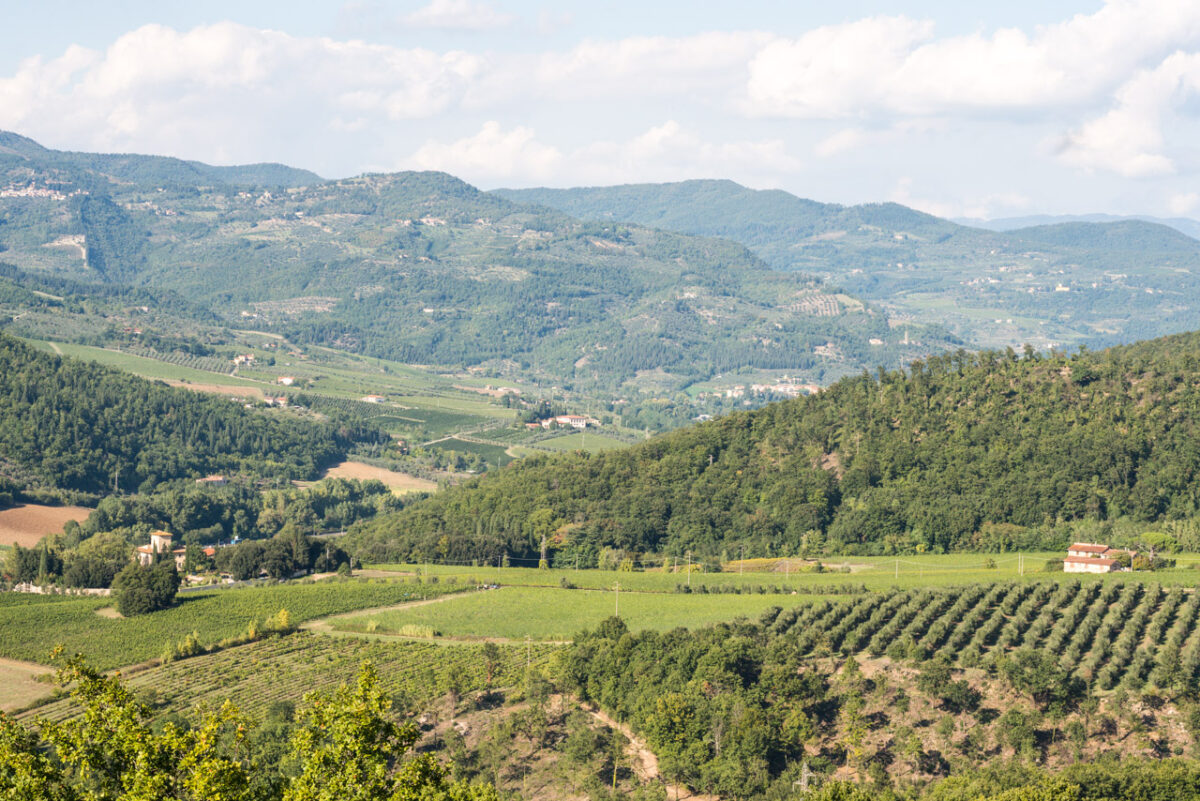
Rufina is the highest and coolest of all Chianti subzones, defined by steep slopes rising toward the Apennines and by a microclimate strongly influenced by the mountains. Cooler summers and pronounced day–night temperature variation preserve acidity and aromatic definition, creating wines marked not by weight, but by freshness, finesse, and longevity. It is within this environment that Bucerchiale emerged.
When Francesco Giuntini released the first vintage of Vigneto Bucerchiale Chianti Rufina Riserva in 1979, the gesture was quietly revolutionary. At the time, Chianti was still largely associated with blended wines, often including white varieties, and single-vineyard bottlings remained rare. Bucerchiale proposed another way of thinking: that a wine could derive its identity entirely from one site and one grape.
As Millon writes, Bucerchiale was among the earliest examples of a site-driven Tuscan wine even before the term “Super Tuscan” had entered common vocabulary. Produced from 100% Sangiovese grown in a single cru vineyard — itself an innovation at the time — it challenged the prevailing model of the appellation.
What mattered was not only the wine itself, but the philosophy behind it.
Bucerchiale suggested that terroir was not an abstract concept, but something tangible and measurable — something capable of shaping structure, texture, ageing potential, and identity.
Bucerchiale and Erchi: two readings of Rufina
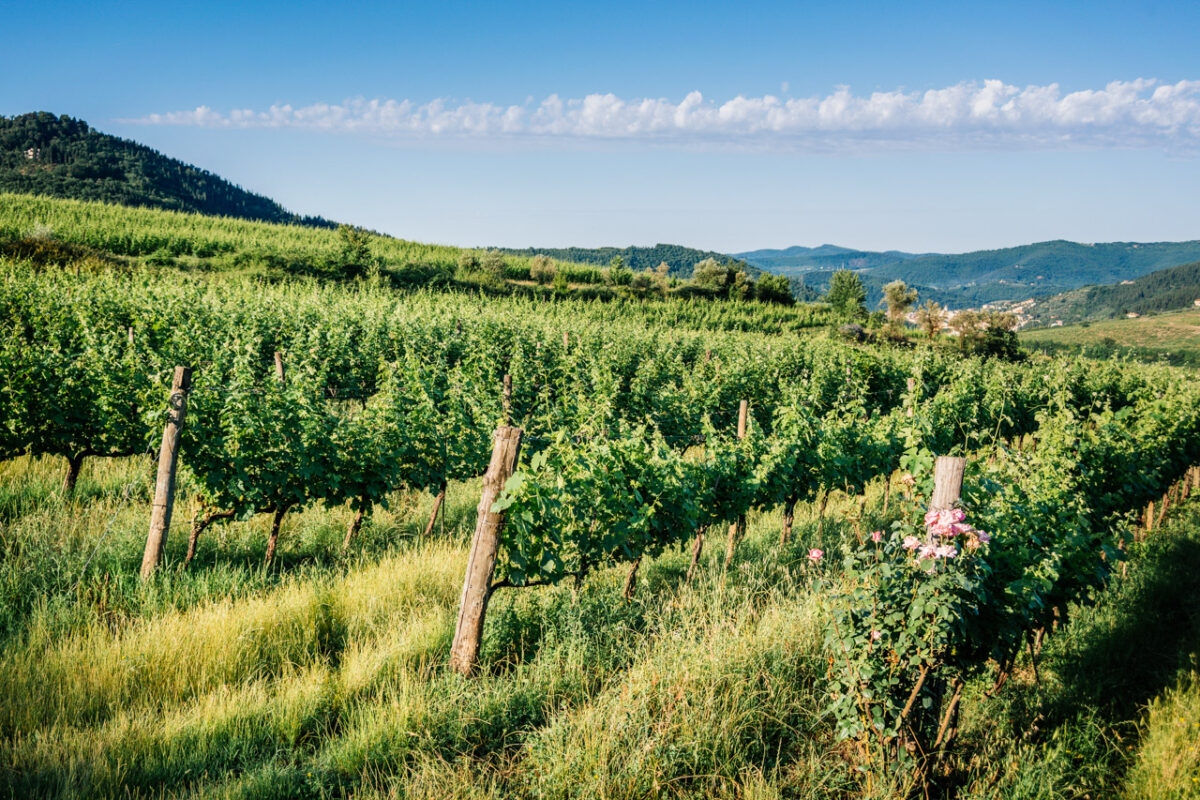
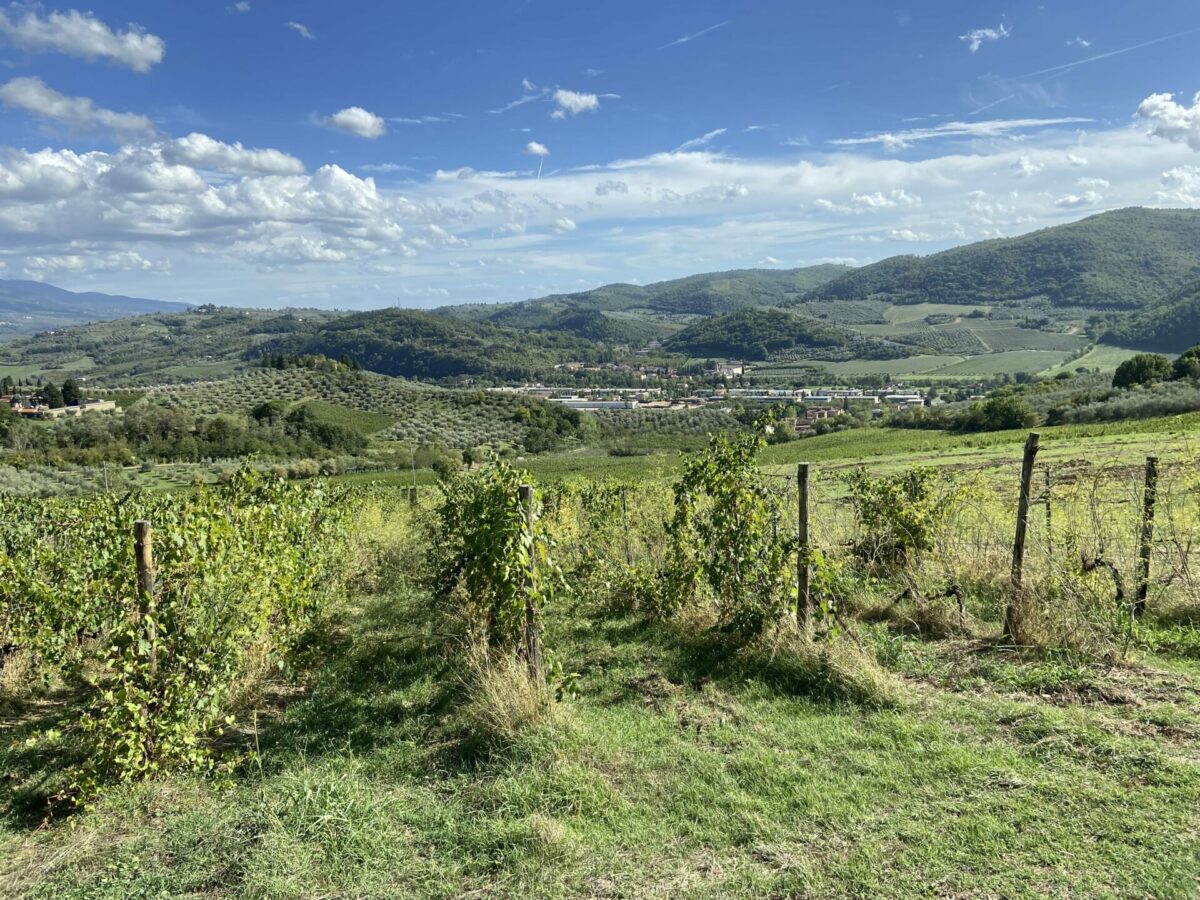
The vineyard expresses this idea physically. Planted on elevated slopes leading toward the mountains, Bucerchiale develops under slower ripening conditions, where freshness and tension remain intact throughout the growing season. Millon describes the wine through its “bright freshness,” notes of dark and dried fruits, herbs and tobacco, and the kind of finely woven tannic structure that allows the wine to evolve for decades.
Importantly, Bucerchiale is still produced only in vintages where the vineyard fully permits that expression to emerge. Site expression is not forced here; it is waited for.
For importers, this kind of continuity carries practical significance. In a category as broad and sometimes fragmented as Chianti, wines with a clearly defined identity become easier to position and easier to communicate over time. A single-vineyard wine like Bucerchiale does not rely on trend or stylistic impact to justify its place in a portfolio. Its value comes from recognisability, consistency, and the ability to build long-term trust with clients, collectors, and restaurants.
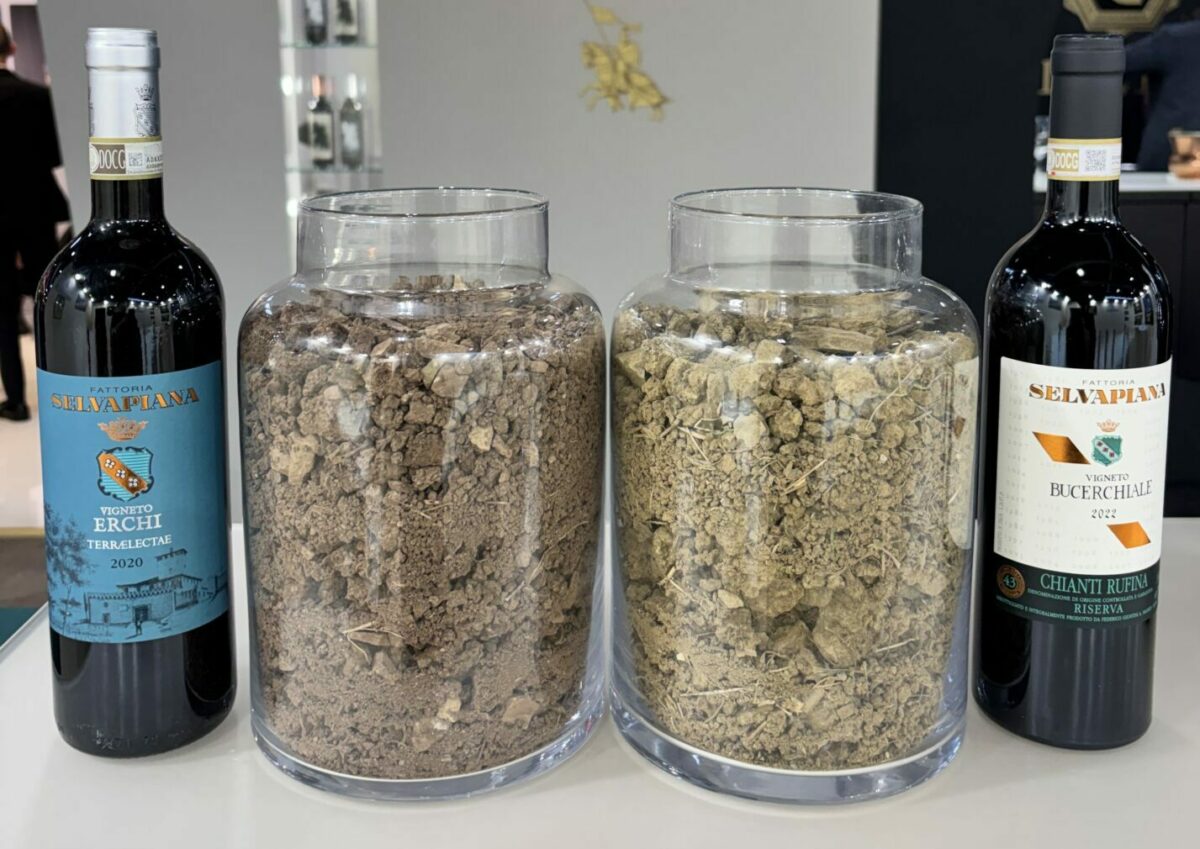
Federico Giuntini, Francesco’s adoptive child expanded this conversation further with the introduction of Erchi later in 2016. If Bucerchiale became a reference point for precision and tension, Erchi explored another dimension of Sangiovese. Richer in iron and shaped by different soil composition with more chalk, the vineyard produces wines with darker fruit, broader structure, and greater density. The contrast between the two wines demonstrates something essential about Rufina: within a relatively small territory, variation can be profound. Since 2019, Erchi carries the name of “Terraelectae” corresponding to Gran Selezione designation for Chianti Rufina. It is reserved to single vineyard planted with Sangiovese grape only.
Single vineyards really matter here
Narrative is not decorative - it is strategic
For an importer, this also creates narrative depth within a portfolio. Bucerchiale offers a benchmark expression of Rufina — precise, structured, and age-worthy — while Erchi introduces contrast and movement, demonstrating how responsive Sangiovese can be to place. Together, they create more than a range of wines: they create a coherent story that can be communicated across markets and over time.
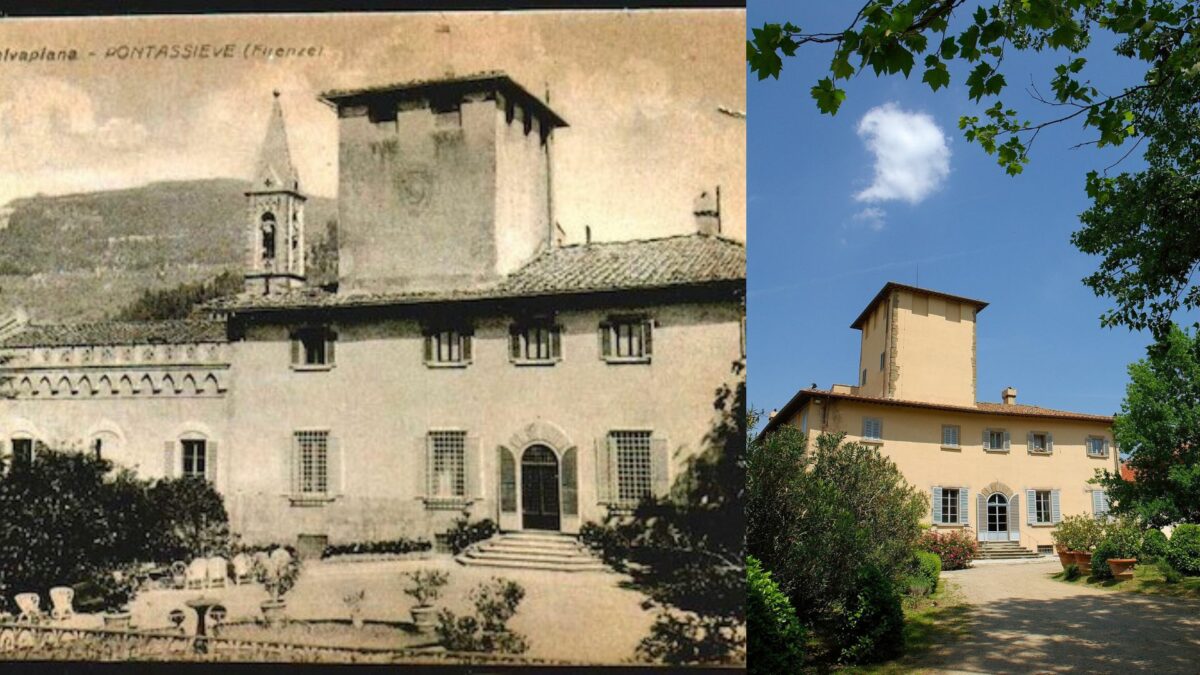
At Selvapiana, the idea of the single vineyard is not about hierarchy or exclusivity. It is about understanding territory with greater precision. Perhaps this is why the image of the watchtower remains so appropriate.
Selvapiana no longer protects Florence’s frontier. Instead, through wines like Bucerchiale and Erchi, it safeguards something more fragile and increasingly valuable: a clear and enduring sense of origin.
If you want to continue the serie and read the article 5/6 on DOC Pomino, click here
