The Estate
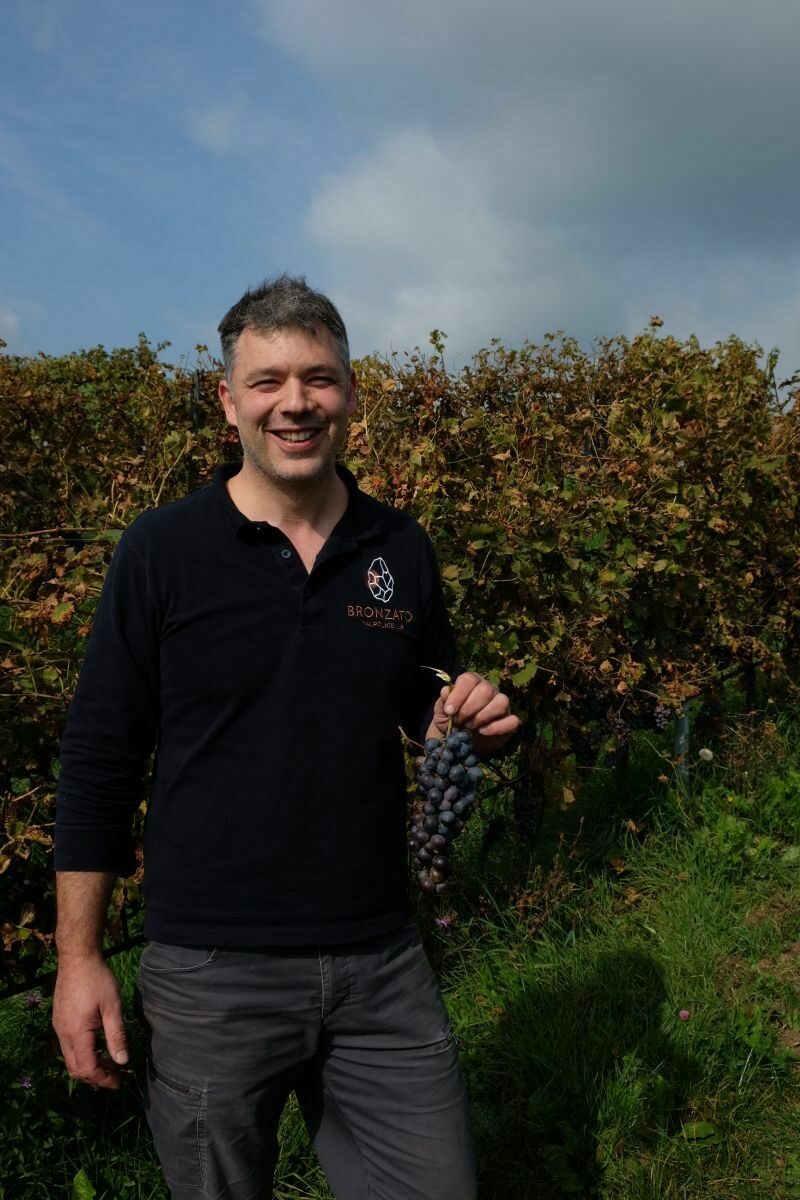
Massimo Bronzato comes from a family of farmers who have always worked the land. It was only recently that the idea arose to cultivate vines and produce their own range of wines.
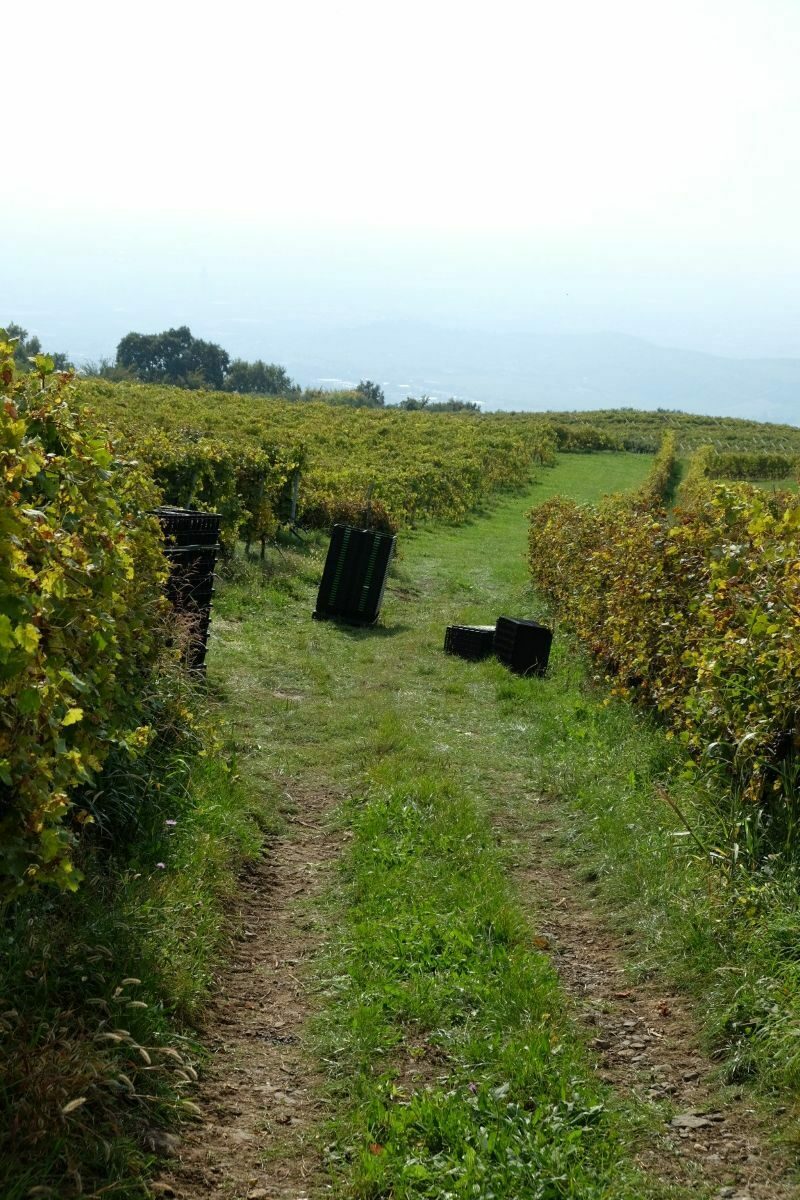
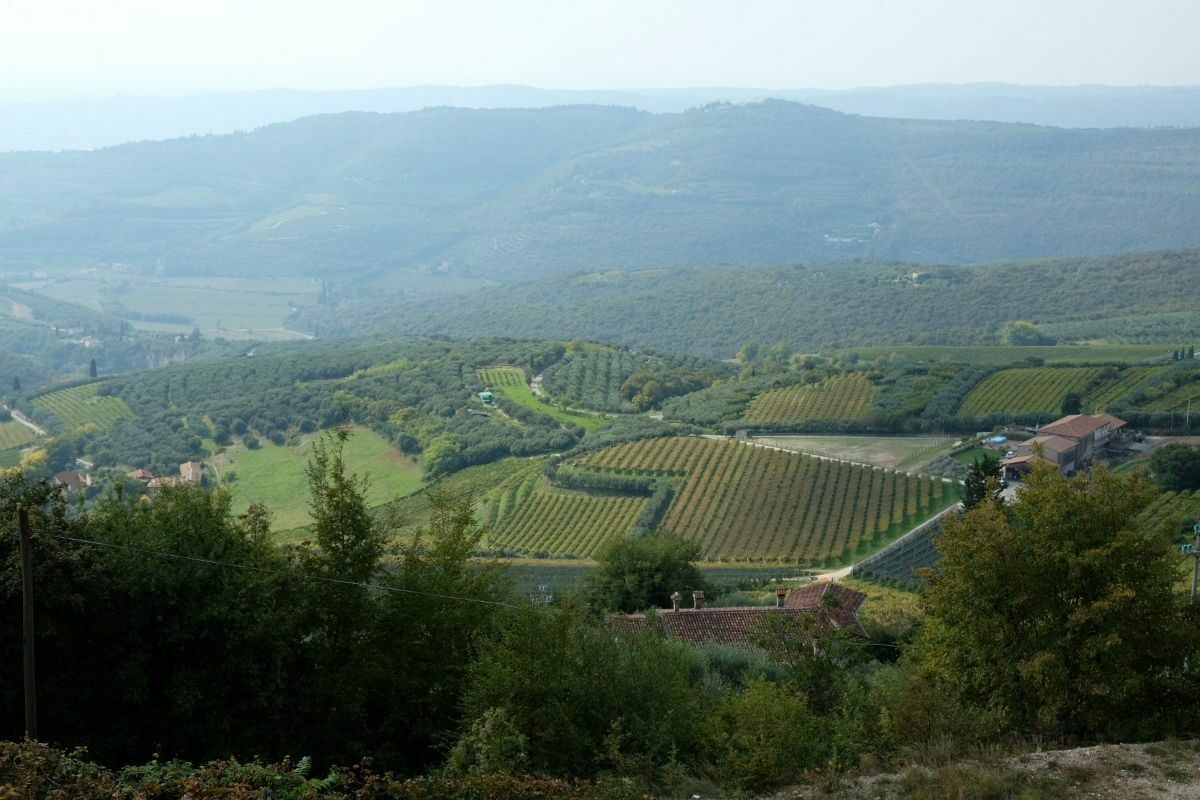
The vineyard is located in the upper Squaranto Valley, near the Lessinia Regional Nature Park, in the hills north of Verona, which are part of the Valpolicella appellation.
The plots are located on the upper slopes at an altitude of between 300 and 500 metres and offer a beautiful view from there to the valley.
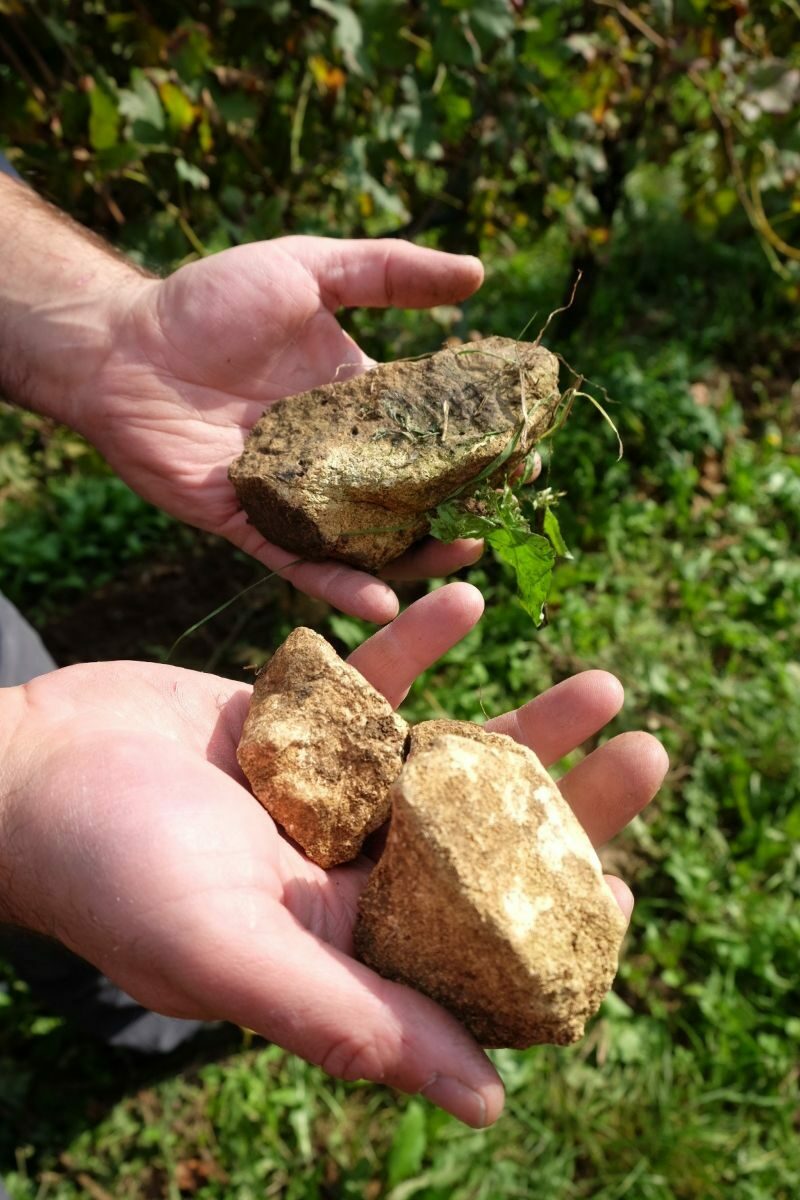
Massimo cultivates the typical grape varieties of the region, namely Rondinella, Corvina and Corvinone, which are planted on soils where basalt, ‘biancone della Lessinia’ limestone and
flint rocks outcrop, the latter having been used by man since the Stone Age for the manufacture of tools and later as flint.
Flint has also become the symbol of the estate and represents continuity, a link between man and the land that has been renewed and endured for thousands of years.
The estate has practised organic viticulture since its creation.
Azienda Bronzato, flint as a symbol...
The Vineyards
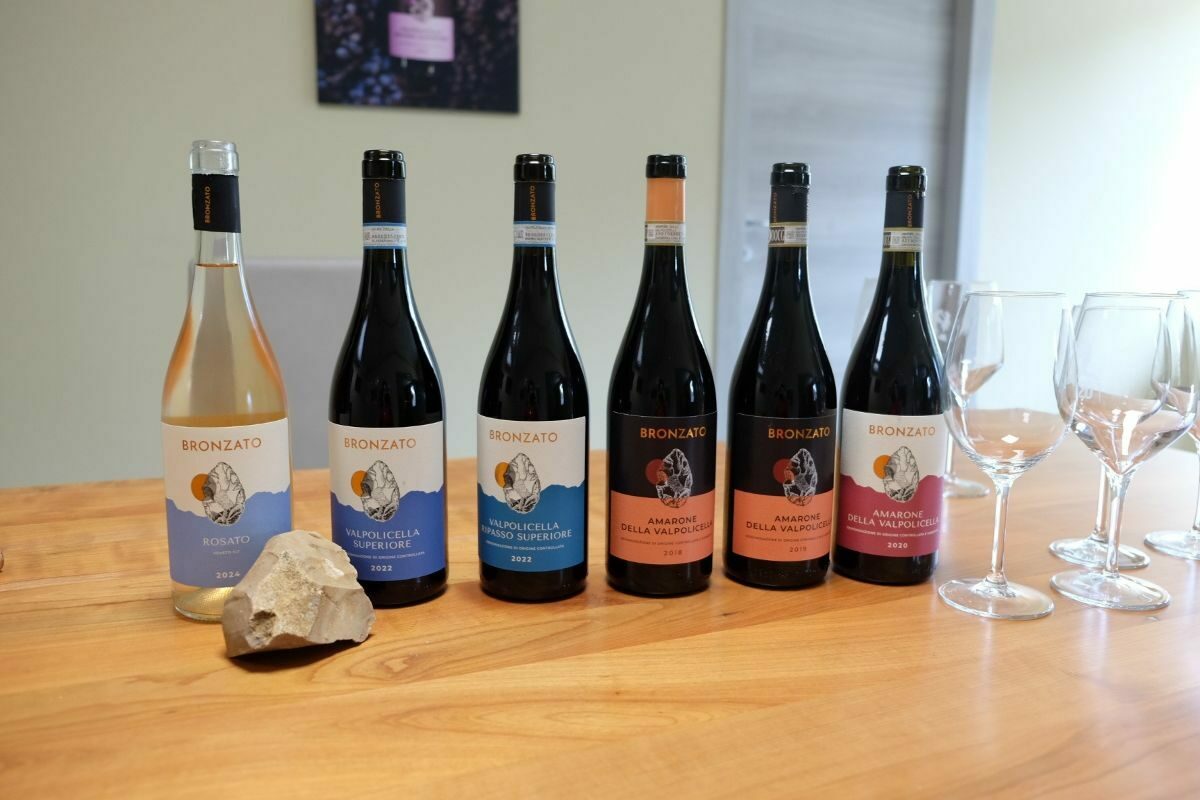
The range of wines is also typical of the region, with the Valpolicella Superiore, Valpolicella Ripasso and Amarone della Valpolicella appellations.
Fermentation takes place in vats with maceration times ranging from two weeks for the more fruity wines to three weeks for the more structured wines.
Valpolicella Superiore is aged in vats, while Valpolicella Ripasso and Amarone della Valpolicella are aged in casks, with a focus on producing balanced wines that are not heavy or overly woody.
The Wines

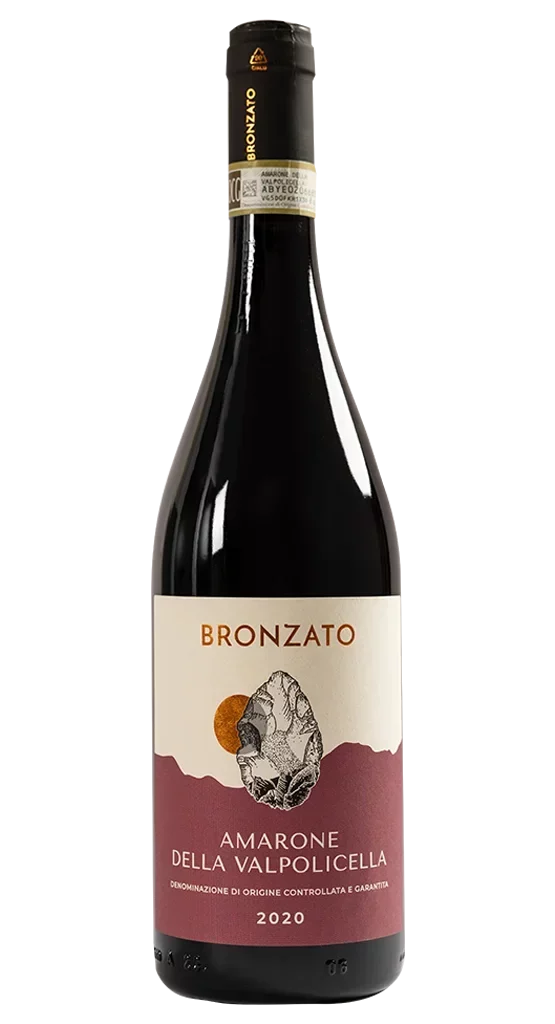
Amarone della Valpolicella
70% Corvina, 20% Corvinone, 10% Rondinella. Aged for 18 months in oak barrels.
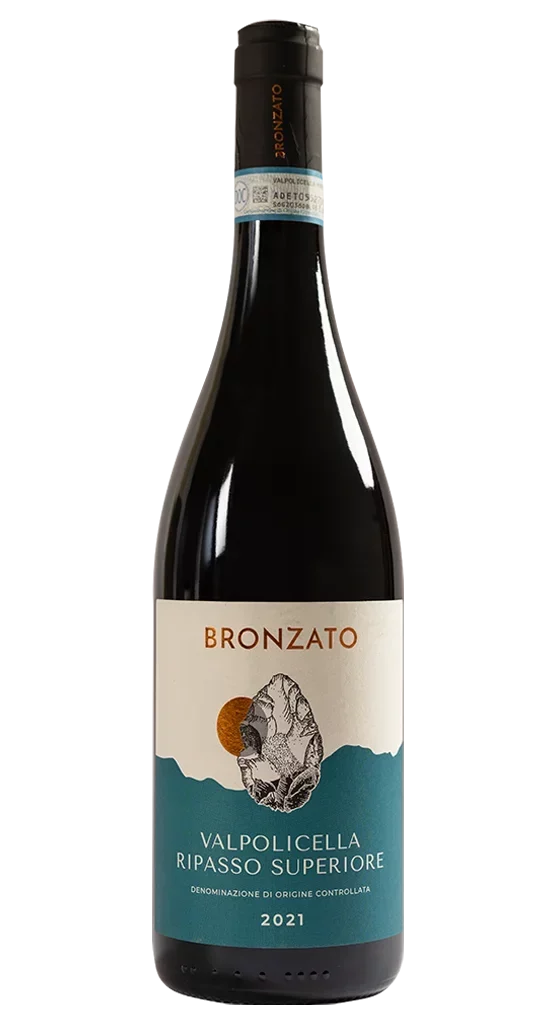
Valpolicella Ripasso
70% Corvina, 20% Corvinone, 10% Rondinella. Aged for 12 months in oak barrels and 6 months in steel.
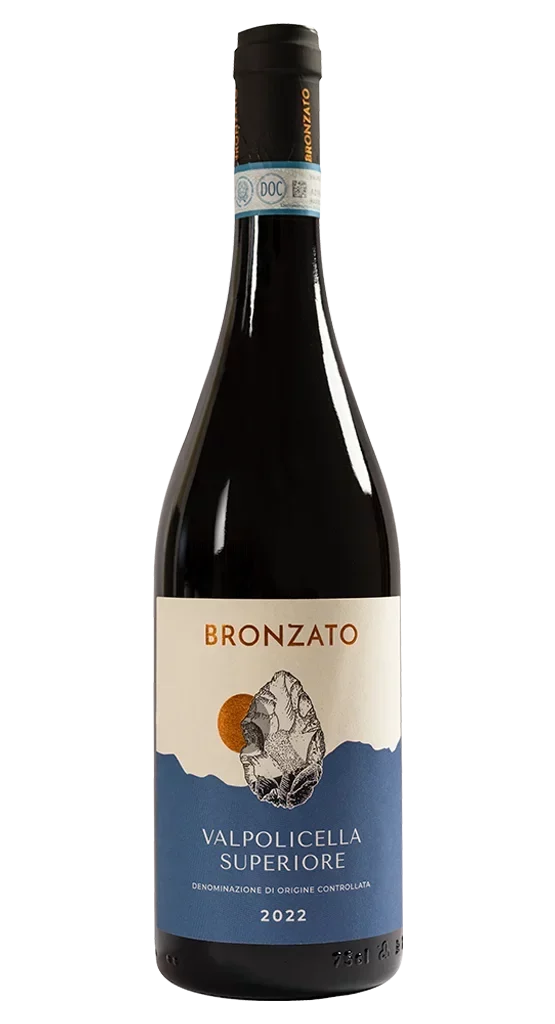
Valpolicella Superiore
70% Corvina, 20% Corvinone, 10% Rondinella. Aged for 18 months in steel tanks plus 6 months in the bottle before sale.
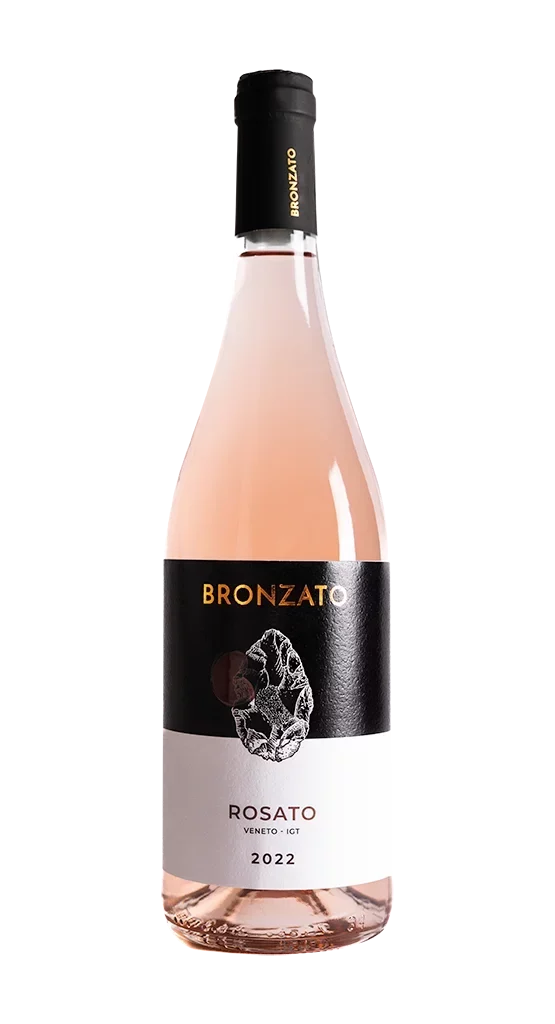
Rosato Veneto
70% Corvina, 30% Rondinella. After a few hours of maceration on the skins, the must is fermented at low temperature for about a week, followed by ageing in steel tanks.
Latest posts
Italian Wine Podcast Episode: BRONZATO – Amarone & Valpolicella
We’re happy to share a new interview with Bronzato — the newest addition to …
Bronzato : Valpolicella & Amarone
After a few years, with many visits to Italy, we have been …